


CoreMax® Refrigerant Access Seats
Seat components that mate with the CoreMax® Valve to form a complete high-flow refrigerant access valve.
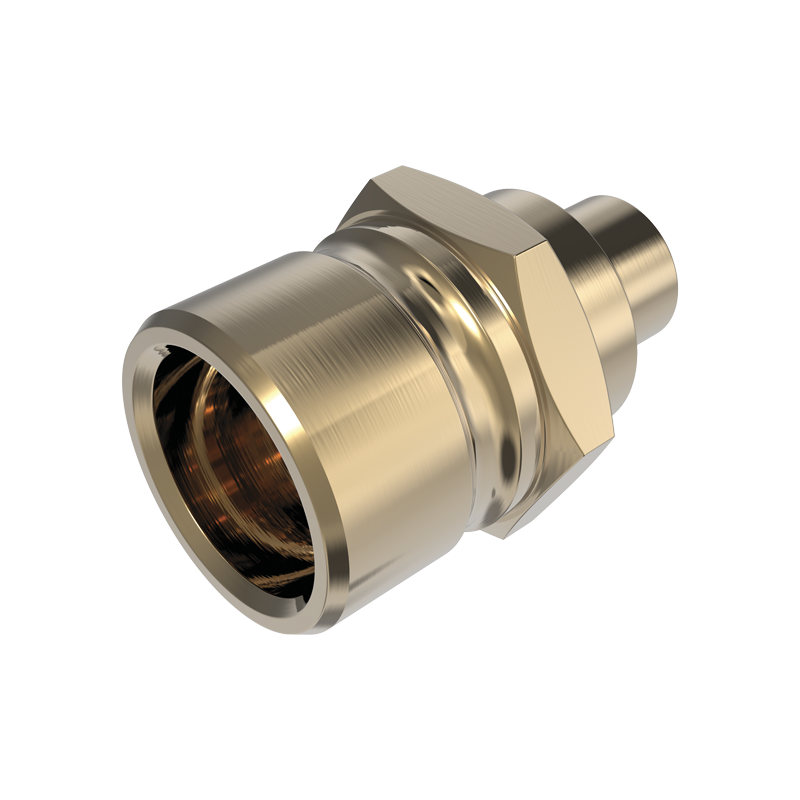
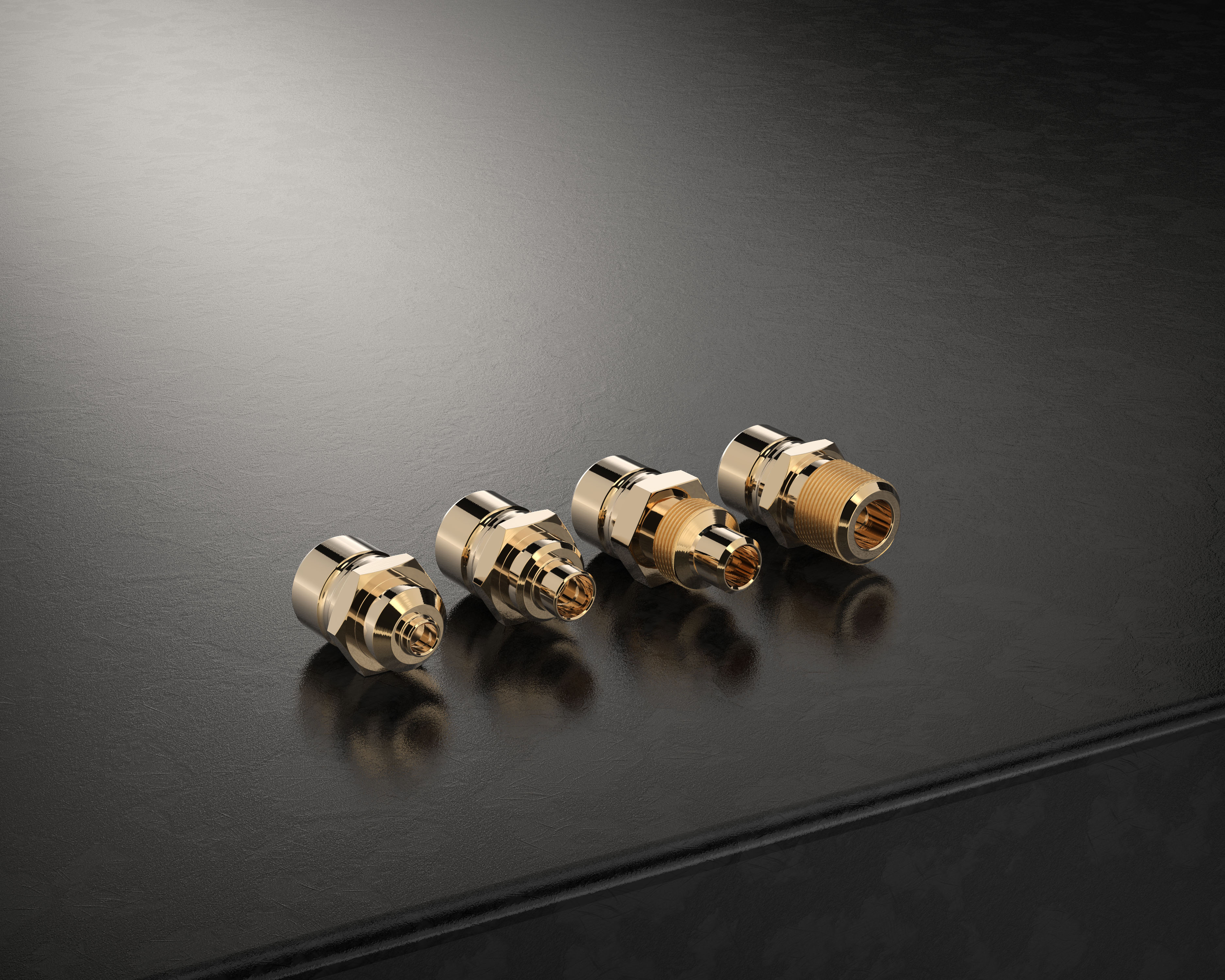
- Manufactured to exacting tolerances, the seat is designed to mate with the CoreMax® valve core and form the sealing capability
- Designed with gripping and sealing surfaces to work with the CoreMax® system tools internally valved
- Many options are available to fit any user system
Designed For: CoreMax®.
CoreMax Brochure: Click Here
CoreMax Datasheet: Click Here
CoreMax to Seat Installation: Click Here
CoreMax to Panel Mount Seat Installation: Click Here
CoreMax Oiler Pump Can: Click Here
CoreMax Seat Brazing Instructions: Click Here
How To Video - Install CoreMax Access Valve: Click Here
How To Video - CoreMax Removal & Replacement: Click Here
How To Video - Install CoreMax Access Valve: Click Here
How To Video - CoreMax Removal & Replacement: Click Here
Similar Products
CoreMax® SnapMate | Service Tool
Service connector for fast leak-tight access to CoreMax® and Schrader® flare connections up to 625 psi.
CoreMax® Refrigerant Access Valve
High-flow valve core that mates with the CoreMax® Seat to create a complete refrigerant access valve.
CoreMax® SnapMate | OEM Tool
High-flow OEM processing tool for fast connection to CoreMax® valves during leak testing evacuation and charging.
Half of the CoreMax® Valve — the Precision Seat the Rest Builds On
The FasTest CoreMax® refrigerant access seat is one half of the CoreMax® valve. A CoreMax® refrigerant access valve is made of two parts: the seat and the valve core. The seat mates with the core to form a complete, high-flow refrigerant access valve — and the seat is the permanent half, the precision component that is installed on the product and stays with it for its life.
It does two jobs at once. It provides the sealing surface that, together with the valve core, closes the system — which is why it is manufactured to exacting tolerances; the seal is only as good as the seat that forms it. And it provides the gripping and sealing surfaces that the CoreMax® system tools work against: the SnapMate, insertion, and leak test tools connect and grip onto the seat, so the seat is the interface for the tools as well as for the core. Precision on the seat is therefore what makes both the seal and every tool connection repeatable.
Because the seat is what installs on the product, it comes in many options to fit any user system. It can be brazed on — the CoreMax® seat brazing instructions cover installing the seat onto a tube or stub on the system — or supplied as a panel-mount seat, with a range of configurations. That flexibility is what lets the same CoreMax® valve be designed into very different systems.
The seat is rated across the CoreMax® range, from vacuum to 750 psi (51.7 bar). Paired with the CoreMax® valve core, it delivers the high-flow serviceable access valve that the CoreMax® system is built around — evacuate and charge at high flow through the seat, install the core, and access it later with the CoreMax® tools.
The Problem the FasTest CoreMax® Seat Solves
The seat is where the CoreMax® valve’s performance is won or lost, because it is the permanent, precision half everything else depends on:
-
The seal depends on the seat: The valve core seals against the seat, so the sealing surface has to be made to exacting tolerances. A precise seat is what makes the closed valve leak-tight.
-
The tools depend on the seat: The CoreMax® tools grip and seal onto the seat, not the core. If the seat’s gripping and sealing surfaces are not precise, the tool connections are not repeatable.
-
Every system mounts differently: A seat that fits one product will not fit another. The many braze-on and panel-mount options let the same CoreMax® valve be fitted to any user system.
-
It is permanent: The seat stays on the product for its life, so it has to be right the first time — which is why it is the precision-made component of the pair.
The FasTest CoreMax® seat answers each: exacting tolerances for a reliable seal and repeatable tool connections, gripping and sealing surfaces matched to the CoreMax® tools, and many mounting options to fit any system.
Key Features
Manufactured to Exacting Tolerances
The seat mates with the CoreMax® valve core to form the sealing capability, so it is manufactured to exacting tolerances. The seal at the heart of the valve is only as good as the seat that forms it — and because the seat also interfaces with the tools, its precision governs the whole valve’s performance, not just the seal.
Gripping and Sealing Surfaces for the CoreMax® Tools
The seat is designed with gripping and sealing surfaces that work with the CoreMax® system tools. The SnapMate and other tools connect and grip onto the seat — which is what lets them latch behind the threads and seal for high-flow processing — so the seat is the fixed interface every CoreMax® tool works against.
Mates With the Valve Core to Form the Complete Valve
On its own the seat is half the valve. Mated with the CoreMax® valve core, it forms the complete high-flow refrigerant access valve — the seat as the permanent body on the product, the core as the valve element installed into it.
Many Options — Braze-On and Panel-Mount
Many seat options are available to fit any user system. Seats can be brazed onto a tube or stub on the system (per the CoreMax® seat brazing instructions) or supplied as panel-mount seats, in a range of configurations — so the same CoreMax® valve can be designed into very different products.
Full CoreMax® Pressure and Vacuum Range
The seat is rated from vacuum to 750 psi (51.7 bar), the CoreMax® range, so the completed valve supports high-flow evacuation, charging, and access across that span.
Technical Specifications
| Specification | Detail |
|---|---|
| Product Type | Seat component of the CoreMax® refrigerant access valve — mates with the valve core to form the complete high-flow valve. |
| Designed For | CoreMax®. |
| Connects To / Mates With | CoreMax® valve core (forms the complete valve); CoreMax® system tools grip and seal onto the seat. |
| Pressure / Vacuum Range | Vacuum to 750 psi (51.7 bar). |
| Mounting Options | Braze-on (onto a tube/stub on the system) and panel-mount; many configurations. |
| Precision | Manufactured to exacting tolerances for sealing and repeatable tool connection. |
| Actuation Type | OEM. |
| Materials | Seats are brass |
| Pairs With | CoreMax® Refrigerant Access Valve (the core). |
| Documentation | CoreMax® brochure and datasheet; CoreMax-to-seat and panel-mount seat installation; seat brazing instructions; oiler pump can; how-to videos. |
Where the FasTest CoreMax® Seat Is Used
OEM Refrigerant Systems (Braze-On)
Brazed onto a tube or stub on the system, the seat gives a product a permanent, high-flow, serviceable access point in place of a one-time closure. This is the braze-on configuration the seat brazing instructions describe, and the basis for using a CoreMax® seat where a process tube stub would otherwise be.
Panel-Mount Installations
As a panel-mount seat, the CoreMax® access point can be mounted to a panel or housing rather than brazed to a tube — one of the many options that let the valve fit different system designs.
High-Flow Evacuation and Charging
Because the seat is the path the CoreMax® tools process through, it is central to the high-flow evacuate-and-charge method: process through the seat (with or without the core installed, depending on the tool), then access it later. The seat’s precision is what keeps that repeatable across a production run.
HVAC-R and Refrigerant Systems
The seat belongs to the CoreMax® refrigerant access system, so its home is HVAC-R and refrigerant systems — air conditioning, refrigeration, and heat pump manufacturing and service, plus appliance and automotive AC.
CoreMax® Seat-and-Core Valve vs. a Conventional Schrader-Type Access Valve
| Schrader-Type Access Valve | CoreMax® Seat + Core | |
|---|---|---|
| Flow | Restrictive core | High-flow — process through the seat |
| Seat Precision | Standard | Exacting tolerances |
| Tool Interface | Cap / hand tools | Gripping surfaces for CoreMax® tools |
| Serviceability | Limited | Core installs / replaces into the seat |
| Mounting Options | Fixed styles | Braze-on and panel-mount, many options |
| Pressure / Vacuum | Varies | Vacuum to 750 psi (51.7 bar) |
| System Role | Standalone valve | Permanent seat + serviceable core |
Frequently Asked Questions
Q: What are CoreMax Refrigerant Access Seats?
A: They are the seat components of the CoreMax® refrigerant access valve. A CoreMax® valve is made of a seat and a valve core; the seat is the precision-made, permanent half that installs on the product, mates with the core to form the complete high-flow valve, and provides the surfaces the CoreMax® tools grip and seal onto.
Q: What is the difference between the CoreMax seat and the CoreMax valve?
A: They are the two halves of one valve. The seat is the permanent body installed on the product; the valve core (sold as the CoreMax® Refrigerant Access Valve) is the valve element that installs into the seat. Together — seat and core — they form the complete high-flow refrigerant access valve.
Q: Why does the seat need exacting tolerances?
A: Because both the seal and the tool connections depend on it. The valve core seals against the seat, and the CoreMax® tools grip and seal onto the seat, so the precision of the seat governs how leak-tight the valve is and how repeatable every tool connection is.
Q: How does the seat install?
A: It can be brazed onto a tube or stub on the system (see the CoreMax® seat brazing instructions) or supplied as a panel-mount seat. Many configurations are available to fit different systems — the CoreMax-to-seat and panel-mount installation guides cover the methods.
Q: Is there a CoreMax seat for a stub tube?
A: The CoreMax® seat is available in a braze-on configuration that installs onto a tube or stub on the system. Brazing a CoreMax® seat where a process stub tube would be gives that location a permanent, serviceable, high-flow access valve rather than a one-time closure. For the specific braze-on option and size for your stub, confirm the configuration with FasTest and the seat brazing instructions.
Q: What does the seat connect to?
A: It mates with the CoreMax® valve core to form the complete valve, and the CoreMax® system tools connect to and grip the seat for high-flow processing and access.
Q: What pressure and vacuum range does the seat cover?
A: Vacuum to 750 psi (51.7 bar) — the CoreMax® range.
Q: What seat options are available?
A: Many — braze-on and panel-mount styles in a range of configurations, to fit any user system. Confirm the exact sizes and part numbers with FasTest and the CoreMax® datasheet.
Q: How is the CoreMax valve different from a Schrader valve?
A: A CoreMax® valve is a high-flow, serviceable access valve made of a precision seat and a valve core: processing runs at high flow through the seat, the core installs into the seat, and the CoreMax® tools grip the seat. A standard Schrader-type valve has a restrictive core and a simpler tool interface. The CoreMax® seat is what enables the high-flow, precision, tool-served approach.
Q: What industries use CoreMax seats?
A: HVAC-R and refrigerant systems — air conditioning, refrigeration, and heat pump manufacturing and service — along with appliance and automotive AC that use CoreMax® high-flow access valves.