


TwistMate® MIT Internal Twist Connection Tool
Manual twist-to-seal connector for internal threaded ports up to 10000 psi.
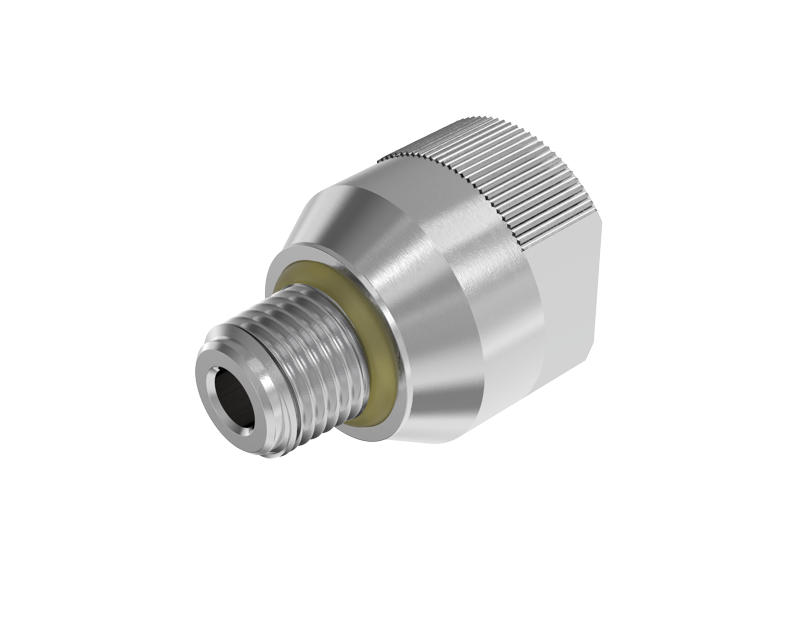
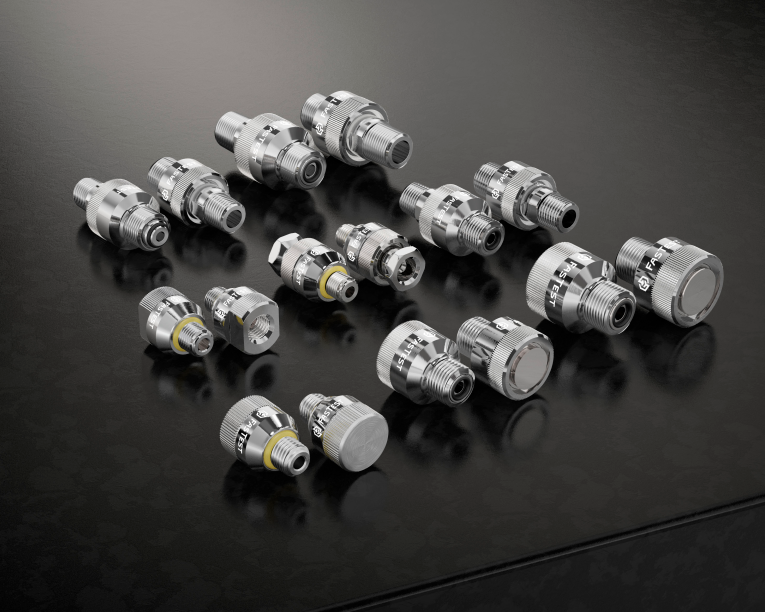
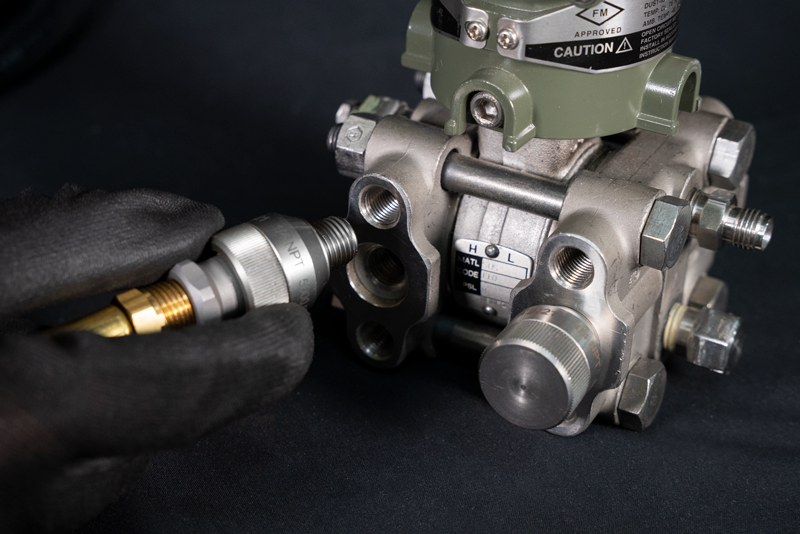
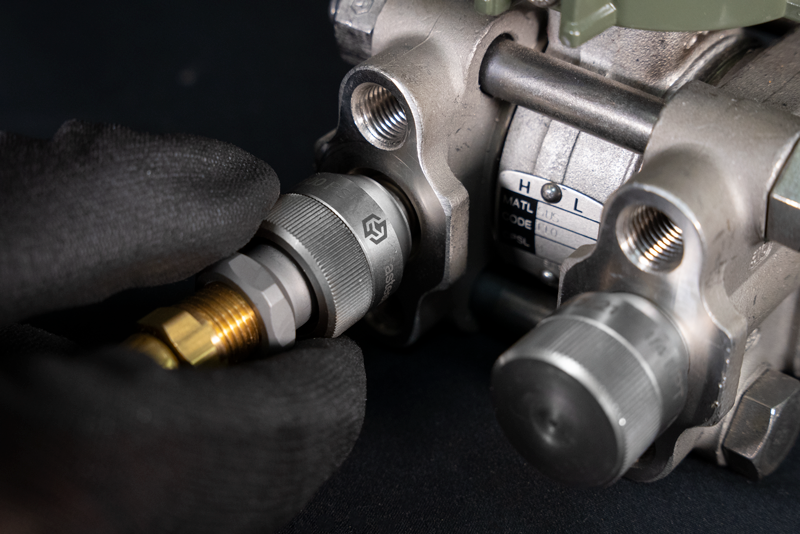
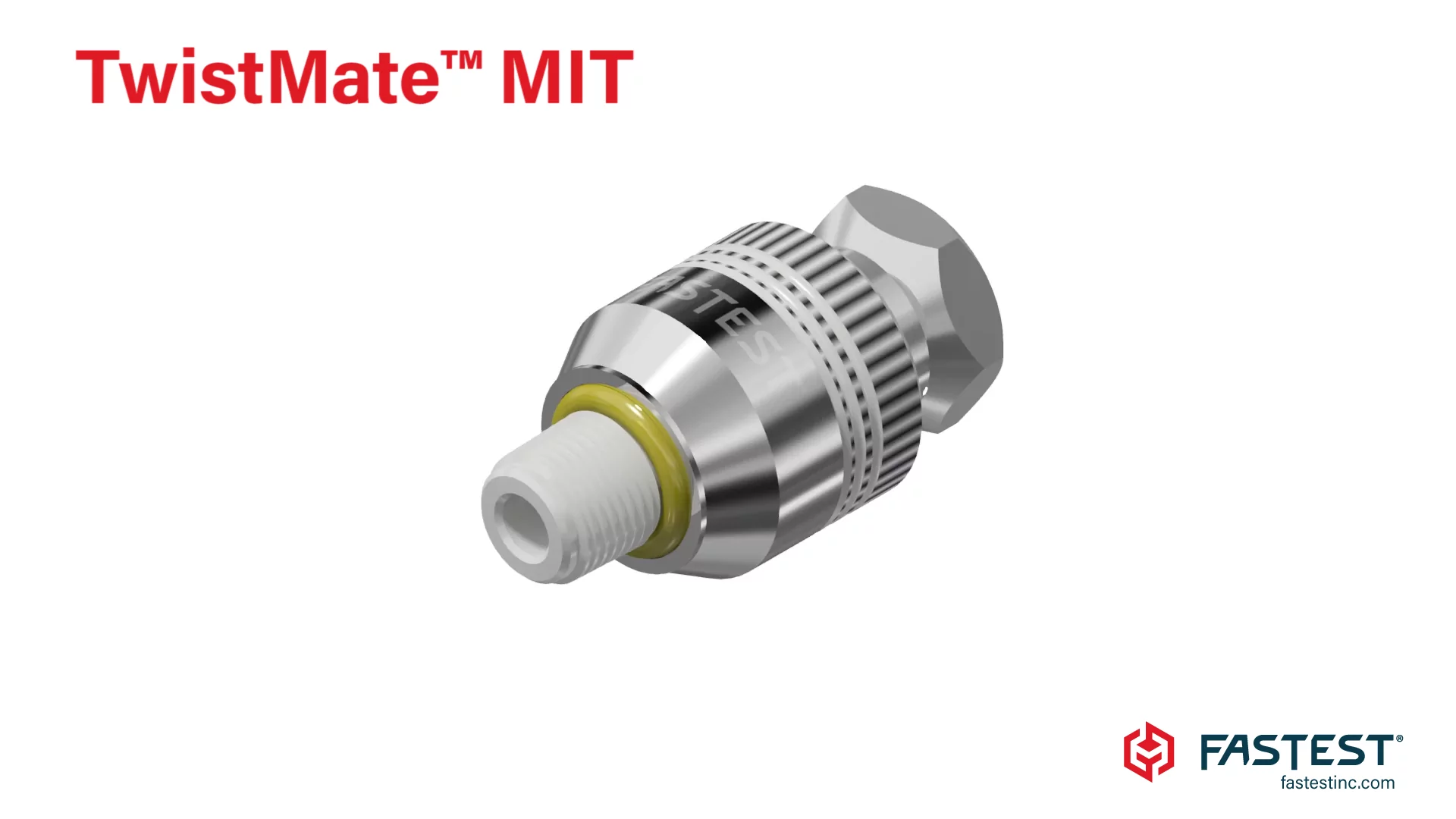
- Manual twist sealing connection to internal threaded ports and compression fittings.
- For vacuum or pressure test applications up to 10,000 psi (689 bar).
- Pressure assisted sealing eliminates leaks and resists movement under pressure.
- Leak-tight seal prevents contamination of media and reduces scrap and test damage.
Designed For: vacuum tests, pressure tests, and other related processes.
MIT Datasheet: Click Here
MIT Operating Instructions: Click Here
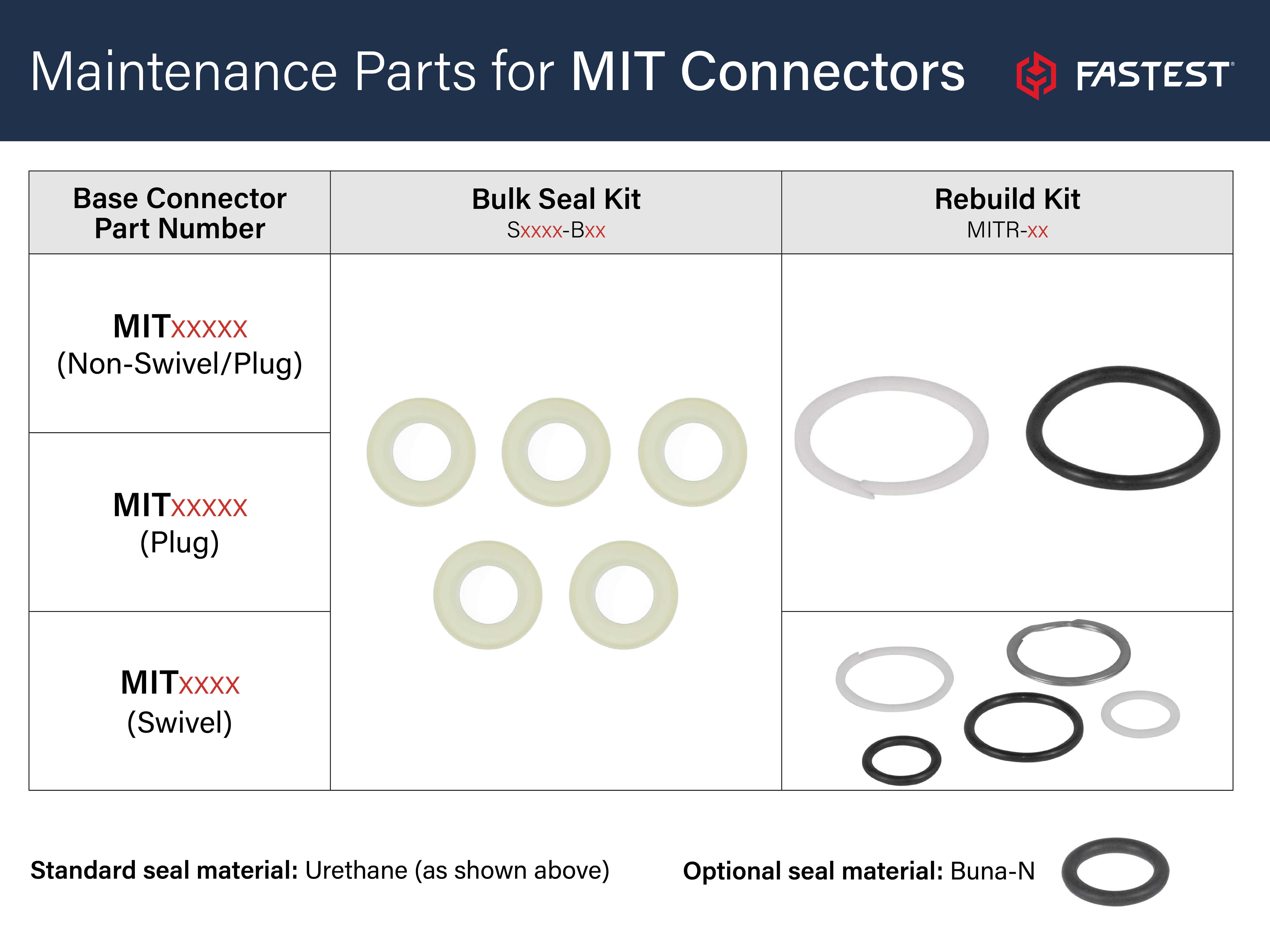
MIT Main Seal Replacement: Click Here
MIT Rebuild / Repair: Click Here
Product Video: Watch Here
Similar Products
FI Internal Sealing Connection Tool
Pneumatic seal-only connector for fast leak-tight internal connections to tubes bores and threads in automated and semi-automated processes.
FasMate® FN Internal High-Pressure Connection Tool
Threaded-collet grip-and-seal tool for secure internal connections to threaded bores up to 5000 psi.
The 10,000 psi Internal Twist Connector
The FasTest TwistMate MIT is a manual twist connector that seals into internal threaded ports and compression fittings at pressures up to 10,000 psi (689 bar) — the highest pressure rating in the FasTest connector range. The operator engages the connection with a deliberate manual twist, and the seal takes over from there.
The choice of a manual twist at this pressure is deliberate. At 10,000 psi the connection has to be positively engaged and stay engaged, and the twist gives the operator direct, controlled engagement rather than relying on a spring or a quick-release mechanism. Pressure-assisted sealing then does the rest: as test pressure climbs, it energises the seal further and helps the connector resist movement, so the connection gets more secure under load rather than less.
What sets the TwistMate MIT apart from the obvious alternative is what it does not introduce. A threaded test fitting relies on thread tape or sealant to seal, and both of those find their way into the system — tape shreds, sealant migrates. The TwistMate MIT seals on a dedicated seal element instead, so the leak-tight connection prevents contamination of the media, which in turn reduces scrap and test damage on components that are often expensive by the time they reach test.
The FasTest TwistMate MIT connects to NPT internal, BSPT/BSPP (G) internal, O-ring boss and flare ports, JIC 37° and ORFS swivel nuts, and metric internal threads. Its external counterpart, the TwistMate® MET, covers external threads at the same 10,000 psi rating; where faster actuation matters more than peak pressure, the FasMate® FN covers internal threaded bores to 5,000 psi.
The Problem the FasTest TwistMate MIT Solves
Testing at 10,000 psi puts demands on the connection that ordinary test fittings are not built to meet:
- Thread sealant contaminates the system: A threaded test fitting seals on tape or sealant, and both migrate. Shredded PTFE tape and displaced sealant end up inside the component being tested — producing contamination, false results, and scrapped parts that were good before they reached the test bench.
- Most connectors do not reach this pressure: 10,000 psi is well beyond the range of typical quick connectors. At that level the connection must be positively engaged and demonstrably capable, not simply rated optimistically.
- Connections creep under load: A connection that shifts or loosens at 10,000 psi leaks, and a leak at that pressure ends the test and risks the part. The seal has to actively resist movement rather than merely resisting it passively.
- Repeated threading wears high-value ports: Wrenching a fitting into and out of a finished component’s port over hundreds of test cycles degrades the port — on parts where the port is part of the deliverable.
The FasTest TwistMate MIT addresses all of this: it seals on its own seal rather than on sealant, it is rated from vacuum to 10,000 psi, its pressure-assisted seal resists movement as pressure rises, and the leak-tight connection reduces both scrap and test damage.
Key Features
Manual Twist Sealing Connection to Threaded Ports and Compression Fittings
The FasTest TwistMate MIT connects with a manual twist to internal threaded ports and to compression fittings. Manual actuation is the right choice at this pressure class: it gives the operator direct, deliberate control over engagement, and there is no mechanism between the operator’s intent and the state of the connection. The same tool covers both port types, so a bench testing threaded ports and compression fittings does not need two connectors.
Vacuum to 10,000 psi (689 bar)
The FasTest TwistMate MIT is rated for vacuum through to 10,000 psi (689 bar) — double the rating of the 5,000 psi FasMate® range and the highest in FasTest’s connector line. That span means one connector handles evacuation and proof testing at the extreme end of hydraulic and aerospace component validation.
Pressure-Assisted Sealing Resists Movement Under Pressure
Pressure-assisted sealing means rising test pressure energises the seal further rather than working against it. The practical effect at 10,000 psi is that the connection becomes more secure as the test intensifies — eliminating leaks and resisting the movement that would otherwise develop as pressure tries to push the connector out of the port.
Leak-Tight Seal Prevents Media Contamination, Scrap, and Test Damage
Because the TwistMate MIT seals on a dedicated seal element rather than on thread tape or sealant, nothing is introduced into the port that can shred, migrate, or break loose into the system. The leak-tight seal prevents contamination of the media, and that directly reduces scrap and test damage — which matters most on high-value hydraulic and aerospace components, where a contaminated part is an expensive loss.
Technical Specifications
| Specification | Detail |
|---|---|
| Product Type | Internal manual-twist connector for threaded ports and compression fittings. |
| Connects To | NPT internal | BSPT/BSPP (G) internal | O-ring boss / flare ports | JIC 37° swivel nut | ORFS swivel nut | metric internal. |
| Max Pressure Rating | Vacuum to 10,000 psi (689 bar) — the highest in the FasTest connector range. |
| Actuation Method | Manual twist. |
| Actuation Type | Internal threads. |
| Sealing | Pressure-assisted — eliminates leaks and resists movement under pressure. |
| Media Protection | Leak-tight seal prevents contamination of media, reducing scrap and test damage. |
| Designed For | Vacuum tests, pressure tests, and other related processes. |
| Related Products | TwistMate® MET — external twist connections to threads, same 10,000 psi platform; FasMate® FN — internal threaded bores at 5,000 psi; FI — internal seal-only at 120 psi. |
| Target Industries | Fluid power and hydraulics, aerospace, and general high-pressure component testing. |
| Documentation | MIT datasheet, operating instructions, main seal replacement, and rebuild/repair instructions, plus a product video. |
Where the FasTest TwistMate MIT Is Used
High-Pressure Hydraulic Component Testing
Hydraulic valve bodies, manifolds, and fittings are proof- and leak-tested at pressures that exceed most connectors’ ratings. The FasTest TwistMate MIT seals into their internal threaded ports at up to 10,000 psi without introducing thread sealant into the component — which matters on hydraulic assemblies where contamination is a functional failure, not just a cosmetic one.
Aerospace Component Testing
Aerospace fluid and hydraulic components are tested at high pressure under strict cleanliness requirements. The TwistMate MIT’s leak-tight, sealant-free connection supports that testing while protecting both the media and the port on parts where a scrapped component is an expensive outcome.
Compression Fitting & Port Testing
Because the FasTest TwistMate MIT connects to compression fittings as well as internal threaded ports — NPT, BSPT/BSPP, O-ring boss and flare, JIC 37° and ORFS swivel nuts, and metric — one connector covers a broad mix of port types on a single high-pressure test bench.
Vacuum and Pressure Test Benches
With a range running from vacuum to 10,000 psi, the TwistMate MIT suits benches that perform both evacuation and high-pressure proof testing on the same part, removing the need to change connectors between the two stages of the test sequence.
FasTest TwistMate MIT vs. a Threaded Test Fitting with Tape or Sealant
| Specification | Detail |
|---|---|
| Product Type | Internal manual-twist connector for threaded ports and compression fittings. |
| Connects To | NPT internal | BSPT/BSPP (G) internal | O-ring boss / flare ports | JIC 37° swivel nut | ORFS swivel nut | metric internal. |
| Max Pressure Rating | Vacuum to 10,000 psi (689 bar) — the highest in the FasTest connector range. |
| Actuation Method | Manual twist. |
| Actuation Type | Internal threads. |
| Sealing | Pressure-assisted — eliminates leaks and resists movement under pressure. |
| Media Protection | Leak-tight seal prevents contamination of media, reducing scrap and test damage. |
| Designed For | Vacuum tests, pressure tests, and other related processes. |
| Related Products | TwistMate® MET — external twist connections to threads, same 10,000 psi platform; FasMate® FN — internal threaded bores at 5,000 psi; FI — internal seal-only at 120 psi. |
| Target Industries | Fluid power and hydraulics, aerospace, and general high-pressure component testing. |
| Documentation | MIT datasheet, operating instructions, main seal replacement, and rebuild/repair instructions, plus a product video. |
Frequently Asked Questions
Q: What is the FasTest TwistMate MIT?
A: The FasTest TwistMate MIT is a manual twist connector that seals into internal threaded ports and compression fittings for vacuum and pressure testing up to 10,000 psi (689 bar). It is the highest-pressure connector in the FasTest range.
Q: What does the TwistMate MIT connect to?
A: NPT internal, BSPT/BSPP (G) internal, O-ring boss and flare ports, JIC 37° swivel nuts, ORFS swivel nuts, and metric internal threads — plus compression fittings.
Q: What is the maximum pressure rating of the TwistMate MIT?
A: Vacuum to 10,000 psi (689 bar). That is double the 5,000 psi rating of the FasMate® FN and FX, and the highest pressure rating FasTest offers in a connector.
Q: Does the TwistMate MIT need thread tape or sealant?
A: No. The TwistMate MIT seals on a dedicated seal element rather than relying on thread tape or sealant. That is what allows it to make a leak-tight connection that prevents contamination of the media — nothing is introduced into the port that can shred or migrate into the system under test.
Q: What does pressure-assisted sealing mean on the TwistMate MIT?
A: It means rising test pressure energises the seal further rather than working against it. At 10,000 psi the practical effect is that the connection becomes more secure as pressure climbs, eliminating leaks and resisting the movement pressure would otherwise cause.
Q: How is the TwistMate MIT actuated?
A: By manual twist. Manual actuation gives the operator direct, deliberate control over engagement, which is the appropriate approach at this pressure class.
Q: What is the difference between the TwistMate MIT and the TwistMate MET?
A: The MIT makes internal twist connections — sealing into a threaded port or compression fitting — while the MET makes external twist connections to threads. Both are rated to 10,000 psi (689 bar). Choose the MIT for internal ports and the MET for external threads.
Q: How does the TwistMate MIT compare to the FasMate FN?
A: Both connect internally to threaded features. The TwistMate MIT is manually twisted and rated to 10,000 psi; the FasMate® FN uses a split collet with lever, thumb valve, or pneumatic actuation and is rated to 5,000 psi. Choose the MIT when test pressure exceeds 5,000 psi, and the FN when faster or automated actuation matters more than peak pressure.
Q: Why does preventing media contamination matter?
A: In high-pressure hydraulic and aerospace testing, contamination introduced at the connection point can cause false test results and can render the component itself unusable. Because the TwistMate MIT introduces no tape or sealant, it removes that contamination path — which is why FasTest links the leak-tight seal directly to reduced scrap and test damage.
Q: What industries use the TwistMate MIT?
A: Fluid power and hydraulics, aerospace, and general high-pressure component testing — anywhere internal threaded ports or compression fittings need leak-tight test connections above the range of conventional connectors.