


ZeroMax™ | Refrigerant Access Ports
Zero-leak refrigerant access port system that eliminates process stub tubes while maintaining hermetic sealing.
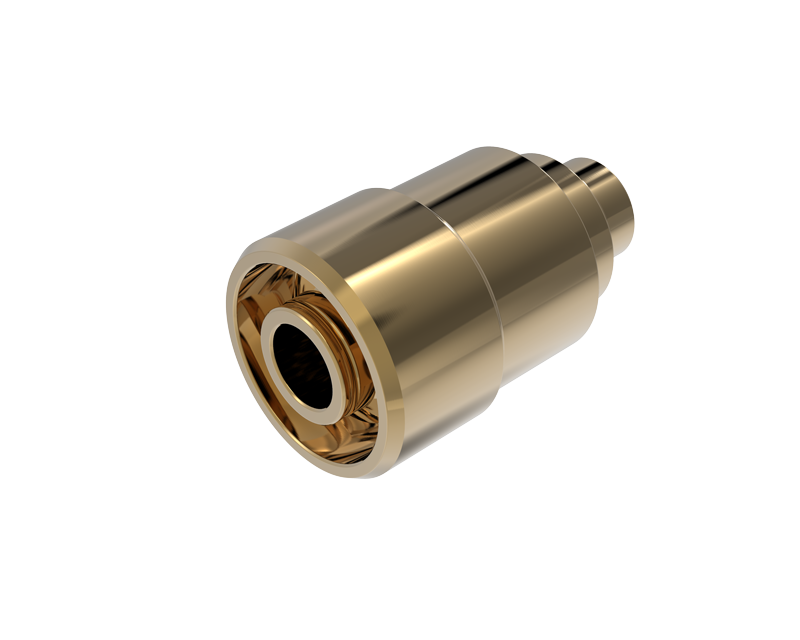
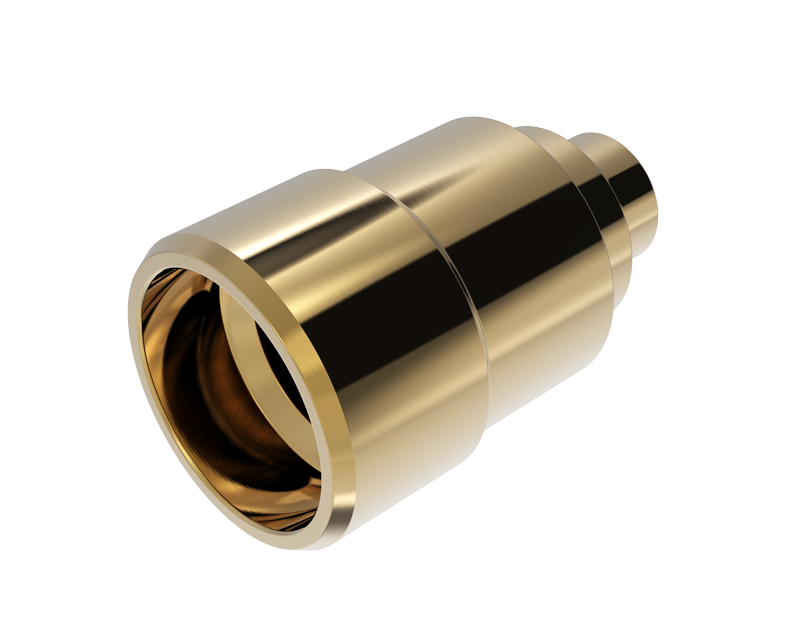
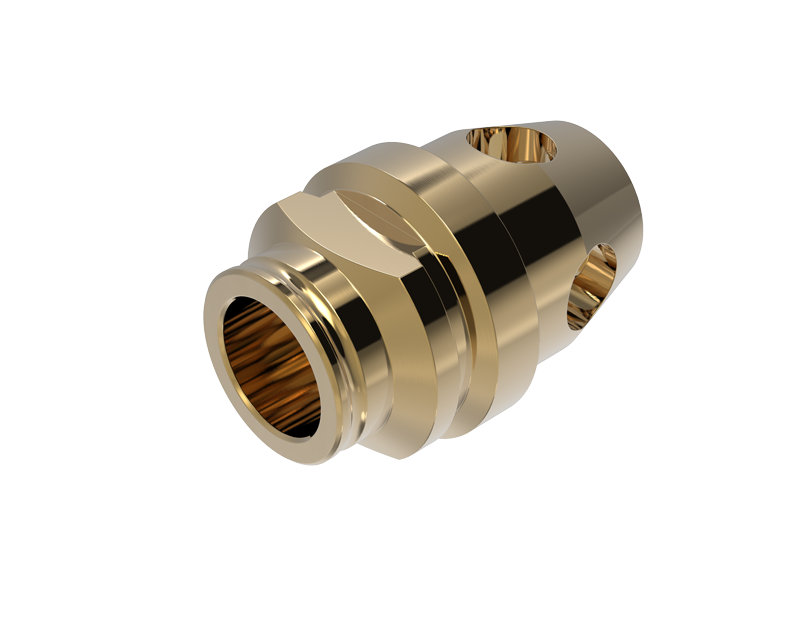
The NEW ZeroMax™ System eliminates the need for Process "Stub" Tubes or crimp type capping systems and their associated crimping & welding equipment. OEM's and Service Technicians now have an easy, repeatable system access for rework, service and end-of-life refrigerant recovery that doesn't leak.
ZeroMax™ assures a hermetic, Zero-Leakage seal by incorporating FasTest's patent pending Access Port technology and Mazimizes Accessibility.
- Safer processing of flammable (A2 & A3) refrigerants
- Cost reducing elimination of Process/Stub Tubes and the pinch & weld operation
- Accessibility while providing a hermitic metal to metal seal
ZeroMax™ Brochure: Click Here
ZeroMax™ Installation Instructions: Click Here
ZeroMax™ System Guide: Click Here
Similar Products
CoreMax® Refrigerant Access Valve
High-flow valve core that mates with the CoreMax® Seat to create a complete refrigerant access valve.
PortMax™ | Refrigerant Access Ports
Large-capacity refrigerant access port system designed to reduce evacuation time and maximize processing flow.
The Access Port That Replaces the Process Tube — and the Welding That Seals It
The FasTest ZeroMax™ refrigerant access port system is a zero-leak access port that becomes a permanent part of a sealed refrigerant system, replacing the process “stub” tube entirely. It provides a hermetic, metal-to-metal seal and stays re-accessible for the life of the product — and it is the hub of the ZeroMax™ system, the port that the ZeroMax™ charge, leak test, evacuation, and Traveler tools all connect to.
Conventionally, a sealed refrigerant system is charged through a copper process tube that is then pinched off and welded or brazed shut. That approach carries three costs. It requires crimping and welding equipment, labour, and floor space on the line. The crimped-and-welded closure is not serviceable — re-accessing the system means cutting it open and re-sealing it. And the pinch-and-weld step is hot work performed on a system that may contain refrigerant. ZeroMax™ removes all three: no process tube, no pinch and weld, and a port that is simply reconnected to rather than cut open.
That last point is where ZeroMax™ matters most right now. The industry is moving to lower-GWP refrigerants, many of which are flammable — the A2 and A3 classes named on this page, which include refrigerants such as propane (R-290). Performing a pinch-and-weld hot-work operation on a system charged with a flammable refrigerant introduces an ignition source at exactly the wrong moment. By eliminating the weld and sealing the port hermetically instead, ZeroMax™ is designed for safer processing of those refrigerants — it takes the ignition source out of the sealing step. Confirm the specific safety approvals for your refrigerant and jurisdiction with FasTest.
The seal itself is metal-to-metal, which is what makes it hermetic and durable: there is no elastomer in the sealing interface to age or degrade over the life of the product, so the zero-leak seal that closes the system on the line is the same seal years later at service or end-of-life recovery.
The Problem the FasTest ZeroMax™ Access Port Solves
Closing and later re-accessing a sealed refrigerant system, the conventional way, creates a stack of problems:
-
Hot work near flammable refrigerant: Pinching and welding a process tube is an ignition source — an increasing hazard as the industry moves to flammable A2 and A3 refrigerants. A hermetic metal-to-metal port needs no weld, so the sealing step is not hot work.
-
Crimping and welding equipment costs: The pinch-and-weld operation requires equipment, labour, and floor space on every line. Eliminating the process tube eliminates that whole operation.
-
A welded stub is not serviceable: Re-accessing a crimped, welded tube means cutting it open and re-sealing it. A ZeroMax™ port is reconnected to for rework, service, or recovery.
-
Leak paths at the closure: A crimped or welded closure is a potential leak path. A hermetic, zero-leak metal-to-metal seal closes the system without one.
-
End-of-life recovery: Refrigerant must be recovered, not vented, when a unit is retired — far easier through a re-accessible port than a sealed stub.
The FasTest ZeroMax™ access port answers each: no process tube and no pinch-and-weld, a hermetic metal-to-metal zero-leak seal, permanent re-accessibility, and a design aimed at safer processing of flammable refrigerants.
Key Features
Safer Processing of Flammable (A2 & A3) Refrigerants
As the industry transitions to lower-GWP refrigerants, more systems are charged with flammable A2 and A3 refrigerants. The conventional pinch-and-weld closure is a hot-work operation — an ignition source — performed on exactly such a system. ZeroMax™ replaces that weld with a hermetic metal-to-metal seal made by the port itself, so closing the system is no longer a hot-work step. Combined with the zero-leak seal, which limits the refrigerant escape a flammable-refrigerant process most wants to avoid, this is what FasTest means by safer processing of A2 and A3 refrigerants. Specific safety approvals should be confirmed with FasTest for the refrigerant and region in question.
Eliminates Process/Stub Tubes and the Pinch & Weld Operation
ZeroMax™ removes the process “stub” tube and the pinch-and-weld operation that seals it, along with the crimping and welding equipment behind it. That is a direct cost reduction — less capital equipment, less labour, less floor space, and one fewer process step on every unit — before any of the safety or serviceability benefits are counted.
Hermetic Metal-to-Metal Seal
The port seals metal-to-metal, which is what makes the seal both hermetic and durable. With no elastomer in the sealing interface to age, take a set, or degrade, the zero-leak seal that closes the system in production is the same seal at service and at end of life — the basis of the “doesn’t leak” claim across the product’s whole life.
Repeatable, Re-Accessible System Access
Because it is a port rather than a welded closure, ZeroMax™ gives OEMs and service technicians easy, repeatable access for rework, service, and end-of-life refrigerant recovery — all through the same hermetic port, with no cutting open and re-sealing.
The Hub of the ZeroMax™ Tool System
The access port is the fixed point the ZeroMax™ tools work against: the RQD Charge Tool fills refrigerant through it, the MBE Leak Test Tool leak tests through it, the MBV Evacuation Tool evacuates through it, and the Traveler Tool installs and places the port components. Specifying the port is the first decision; the tools follow from it.
Technical Specifications
| Specification | Detail |
|---|---|
| Product Type | Zero-leak refrigerant access port system — a permanent, re-accessible replacement for the process stub tube. |
| Seal Type | Hermetic, metal-to-metal. |
| Refrigerant Compatibility | Suitable for flammable A2 & A3 refrigerants (safer processing). |
| Compatible Tools | ZeroMax™ RQD Charge Tool, MBE Leak Test Tool, MBV Evacuation Tool, and Traveler Tool. |
| Key Benefits | Eliminates process/stub tubes and the pinch & weld operation; hermetic zero-leak seal; re-accessible for rework, service, and recovery; safer flammable-refrigerant processing. |
| Target Industry | HVAC-R and refrigerant systems — air conditioning, refrigeration, heat pumps; appliance and automotive AC. |
| Documentation | ZeroMax™ brochure, installation instructions, and the ZeroMax™ System Guide. |
Where the FasTest ZeroMax™ Access Port Is Used
Flammable-Refrigerant System Manufacturing
For systems charged with flammable A2 and A3 refrigerants, the ZeroMax™ port removes the hot-work sealing step and closes the system hermetically — which is the reason a manufacturer moving to these refrigerants would adopt it. It is the most timely application and the one that most differentiates the port.
OEM Refrigerant System Production
On any sealed-system production line, the port replaces the process tube and the pinch-and-weld operation, cutting equipment and a process step while leaving a serviceable access point. It becomes a permanent part of every unit built.
Rework and Field Service
Because the port stays hermetic and re-accessible, both in-plant rework and later field service use the same access point — no welded stub to open. The ZeroMax™ tools connect to the port to charge, evacuate, or leak test as needed.
End-of-Life Refrigerant Recovery
At end of life, refrigerant is recovered through the existing port rather than by breaching a sealed tube — one of the stated reasons the system exists, and increasingly important as recovery of flammable and high-GWP refrigerants is scrutinised.
ZeroMax™ Access Port vs. a Process “Stub” Tube
| Process “Stub” Tube | ZeroMax™ Access Port | |
|---|---|---|
| Sealing Step | Pinch and weld (hot work) | Hermetic metal-to-metal, no weld |
| Flammable Refrigerant | Ignition source at sealing | No hot work — safer for A2 & A3 |
| Equipment | Crimping and welding gear | None of that operation |
| Leak Integrity | Crimp/weld can leak | Zero-leak hermetic seal |
| Re-Access | Cut open and re-seal | Reconnect to the port |
| Serviceability | Limited once sealed | Repeatable for the product life |
| End-of-Life Recovery | Breach a sealed tube | Recover through the port |
Frequently Asked Questions
Q: What is the ZeroMax refrigerant access port?
A: It is a FasTest zero-leak access port that becomes a permanent part of a sealed refrigerant system, replacing the process “stub” tube. It provides a hermetic, metal-to-metal seal, stays re-accessible for the life of the product, and is the port the ZeroMax™ charge, leak test, evacuation, and Traveler tools all connect to.
Q: Why is ZeroMax safer for flammable (A2 & A3) refrigerants?
A: Because it removes the hot work. A conventional process tube is sealed by pinching and welding it shut — an ignition source — on a system that may contain refrigerant. ZeroMax™ seals the port hermetically, metal-to-metal, with no weld, so closing the system is not a hot-work step. Combined with the zero-leak seal, that is what makes it suited to safer processing of flammable A2 and A3 refrigerants. Confirm specific safety approvals with FasTest for your refrigerant and region.
Q: What does the ZeroMax system replace?
A: The process “stub” tube and the crimp-type capping used to seal it, together with the crimping and welding equipment and the pinch-and-weld operation. In its place is a hermetic, re-accessible access port.
Q: What is a hermetic metal-to-metal seal?
A: It is a seal made directly between metal surfaces rather than through an elastomer. Because there is no elastomer to age or degrade, the seal stays hermetic and zero-leak for the life of the product — the same seal in production, at service, and at end-of-life recovery.
Q: Is the ZeroMax port re-accessible after the system is sealed?
A: Yes. Unlike a welded stub tube, which must be cut open and re-sealed, the ZeroMax™ port is simply reconnected to for rework, service, and end-of-life refrigerant recovery.
Q: What tools connect to the ZeroMax access port?
A: The ZeroMax™ RQD Charge Tool (charging), the MBE Leak Test Tool (leak testing), the MBV Evacuation Tool (evacuation), and the Traveler Tool (installation and placement). The port is the hub; the tools connect to it at each processing station.
Q: What is the difference between ZeroMax, CoreMax, and PortMax?
A: All three are FasTest refrigerant access systems. ZeroMax™ is the zero-leak, process-tube-replacement port with a hermetic metal-to-metal seal, aimed at flammable-refrigerant safety and re-accessibility. CoreMax® is a high-flow refrigerant access valve (core and seat). PortMax™ is a large-capacity access port designed to reduce evacuation time and maximise processing flow. FasTest’s access-ports overview compares them; contact FasTest to confirm the right system for your application.
Q: Does ZeroMax reduce cost?
A: Yes — eliminating the process/stub tube removes the pinch-and-weld operation and the crimping and welding equipment, labour, and floor space it requires, which is a direct cost reduction on the line in addition to the safety and serviceability benefits.
Q: What industries use ZeroMax access ports?
A: HVAC-R and refrigerant systems — air conditioning, refrigeration, and heat pump manufacturing — along with appliance and automotive AC, particularly where flammable low-GWP refrigerants are being adopted.
Q: Is the ZeroMax port a valve or a quick-connect fitting?
A: It is an access port that stays hermetically sealed and is opened only when a ZeroMax™ tool is connected for processing. It is a permanent part of the product’s sealed system, not a quick-connect coupling or a serviceable valve core — that distinguishes it from a CoreMax® valve, which is a valve core and seat.