


LuerMate ML Full-Thread Luer Connection Tool
Pneumatic nested sealing tool for leak-tight connections to full-thread luers in automated and semi-automated processes.
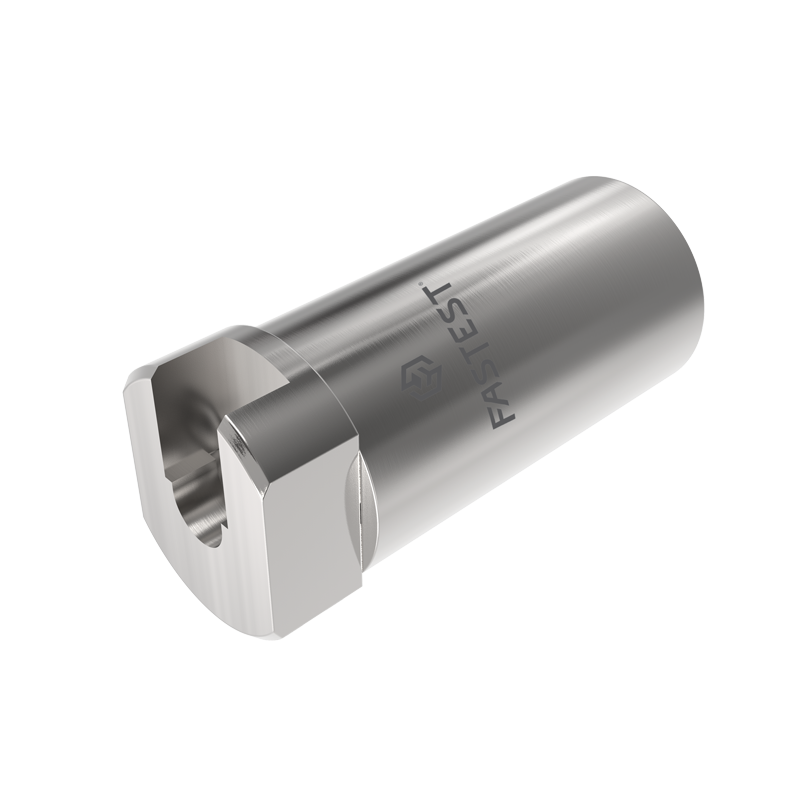
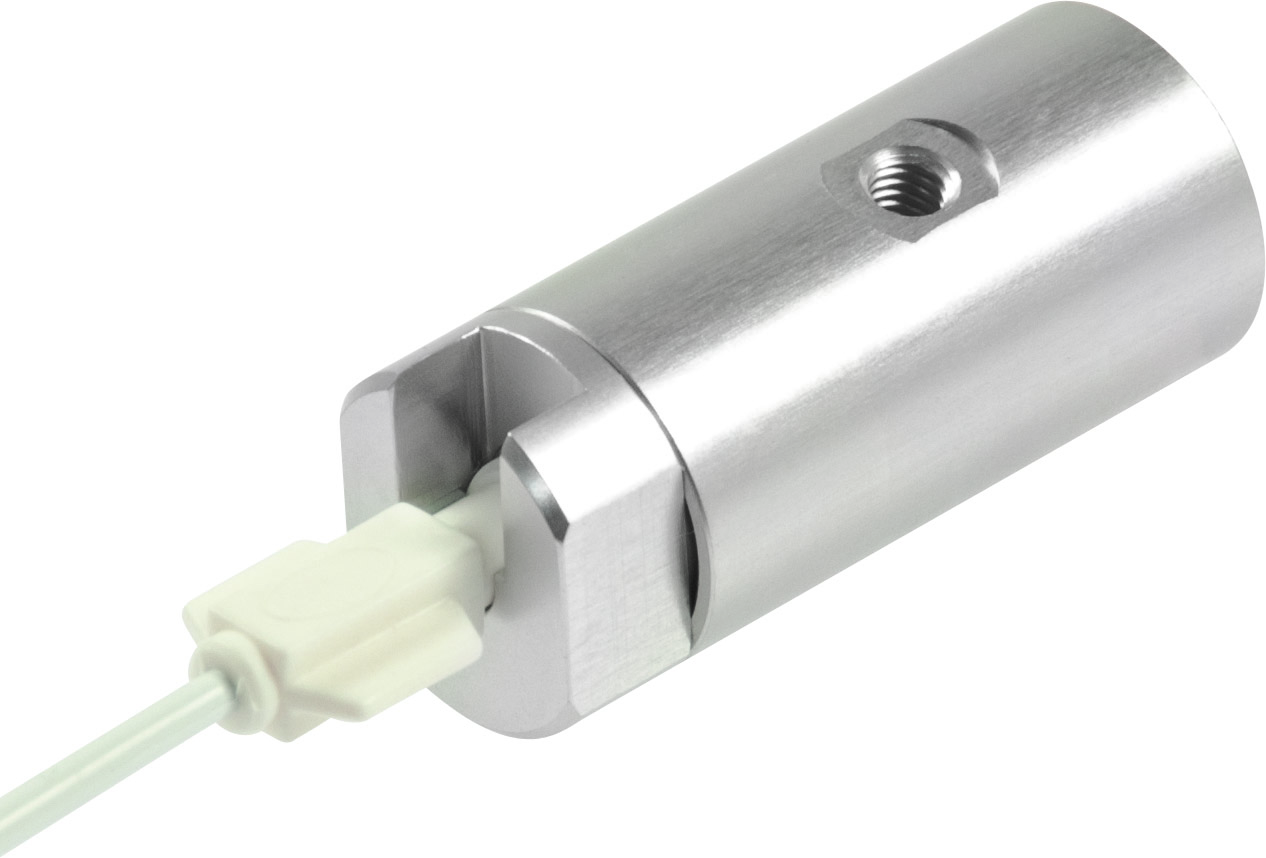
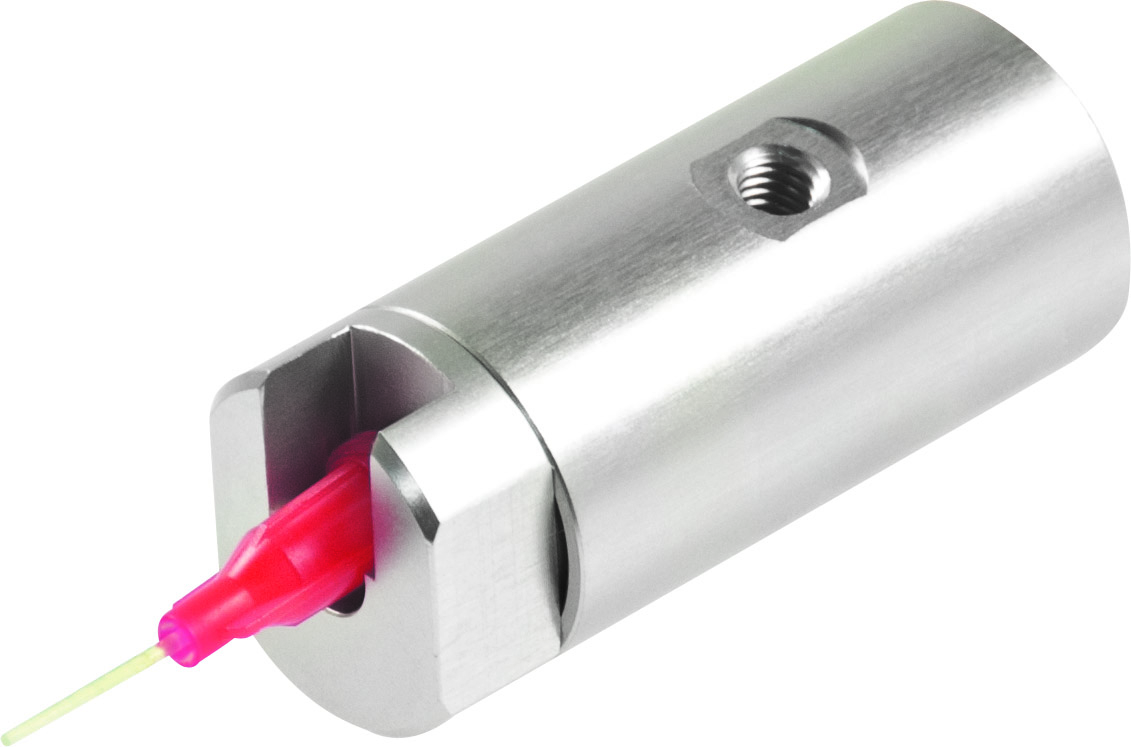
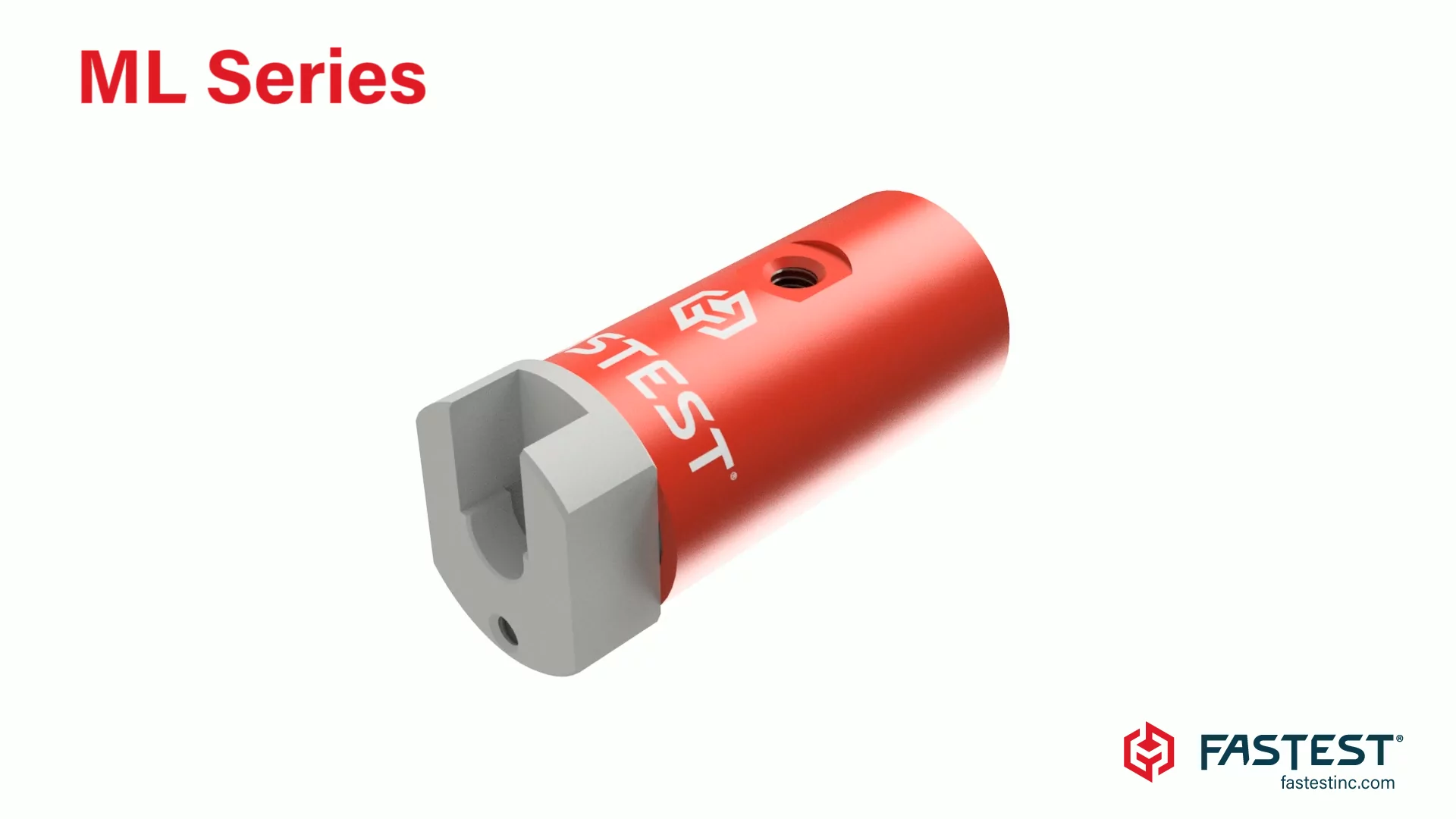
- Seals against any full thread standard luers.
- Designed for automated processes and high volume production testing.
- Cleaned and lubricated for oxygen safe environment with FDA approved seals.
- Specially designed leur nest to contain test part under pressure.
Designed For: leak/burst testing, balloon pleating/folding, heart valve crimping, stent crimping, and other related processes.
ML Datasheet: Click Here
ML Operating Instructions: Click Here
ML Main Seal Replacement: Click Here
ML Rebuild / Repair: Click Here
Product Video: Watch Here
Similar Products
ME Medical External Sealing Connection Tool
Pneumatic seal-only connector for external sealing of medical and life science devices in automated and semi-automated processes.
LuerMate 60M Medical Luer Connection Tool
Sleeve-actuated grip-and-seal connector for quick repeatable connections to medical thread luers.
LuerMate MLL Luer Seal-Only Connection Tool
Pneumatic seal-only connector for female luers in automated and semi-automated medical processes.
LuerMate MLH Full-Thread Luer Connection Tool
Pneumatic sealing connector for full-thread luers requiring quick repeatable medical connections.
Built for Automated Medical Device Manufacturing, Not Just Testing
The FasTest LuerMate ML is a pneumatically actuated external connector that seals against any full thread standard luer. It is designed from the outset for automated and semi-automated production — available in pneumatic, semi-automated, and fully-automated actuation — which makes it a component to be built into equipment rather than a hand tool used alongside it.
What sets it apart from a conventional leak test connector is visible in what it is designed for. Alongside leak and burst testing, the list includes balloon pleating and folding, heart valve crimping, and stent crimping. Those are not tests — they are manufacturing processes, in which the device has to be held pressurised or inflated while it is physically worked on. A connector serving those processes has to maintain a stable, repeatable luer connection for the duration of an operation, not just long enough to take a reading.
That is also why the specially designed luer nest matters. Burst testing is destructive by design, and crimping and pleating put the device under mechanical load while it is pressurised. The nest contains the test part under pressure — keeping the device located and controlled through operations where something is deliberately being pushed to or past its limit.
For medical manufacturing, the material and preparation specifications matter as much as the mechanics. The FasTest LuerMate ML is cleaned and lubricated for oxygen safe environments and uses FDA approved seals. It is one of four connectors in the FasTest LuerMate family, alongside the MLL, the MLH, and the 60M.
The Problem the FasTest LuerMate ML Solves
Connecting to a luer on a medical device production line is harder than the size of the fitting suggests:
- Hand-tightened luers are not repeatable: A luer connection made by hand varies with operator technique and torque. In a validated production process, that variability shows up as inconsistent results — and it cannot be automated.
- The connection has to hold through the whole operation: Pleating a balloon or crimping a stent means the device stays pressurised while it is mechanically worked. The connection must remain stable throughout, not merely long enough for a measurement.
- Parts under pressure need containing: In burst testing the device is taken to failure on purpose. Without something holding it, a part that lets go is both a safety concern and a contamination and cleanup problem in a controlled environment.
- Medical manufacturing constrains materials: Seal materials and preparation are not free choices. Cleanliness for oxygen service and FDA approved seal materials are prerequisites, not upgrades.
The FasTest LuerMate ML addresses all four: pneumatic actuation makes every connection identical and automatable, the luer seal holds through extended processes, the luer nest contains the part under pressure, and the connector is prepared for oxygen safe environments with FDA approved seals.
Key Features
Seals Against Any Full Thread Standard Luer
The FasTest LuerMate ML connects to full thread standard luers across the range, so a line handling devices from different programmes or suppliers is not matching a different connector to each luer. The seal is made externally against the luer, with no threading by hand and no variation in how tightly it is done.
Designed for Automated Processes and High-Volume Production
Available in pneumatic, semi-automated, and fully-automated actuation, the FasTest LuerMate ML is built to be designed into production equipment. Every connection is made with the same actuation force, which is what makes results comparable across a shift and across a validated process — and it removes the operator as a variable in high-volume work.
Cleaned and Lubricated for Oxygen Safe Environments, with FDA Approved Seals
The FasTest LuerMate ML is cleaned and lubricated for oxygen safe environments and fitted with FDA approved seals. In medical device manufacturing these are qualifying requirements rather than optional extras — a connector that does not meet them cannot be used regardless of how well it performs mechanically. Confirm the specific preparation and seal specifications for your application with FasTest.
Specially Designed Luer Nest Contains the Test Part Under Pressure
The luer nest holds and contains the test part while it is under pressure. That matters most in burst testing, where the device is deliberately taken to failure, and in crimping and pleating operations, where the part is under mechanical load while pressurised. Containing the part keeps it located through the operation and keeps a failure controlled rather than uncontained.
Technical Specifications
| Specification | Detail |
|---|---|
| Product Type | External, pneumatically actuated connector for medical luers. |
| Connects To | Medical luers — seals against any full thread standard luer. |
| Max Pressure Rating | 500 psi (34.4 bar) |
| Actuation Method | Pneumatic | semi-automated | fully-automated. |
| Actuation Type | Luers. |
| Part Containment | Specially designed luer nest contains the test part under pressure. |
| Preparation | Cleaned and lubricated for oxygen safe environment. |
| Seal Material | FDA approved seals. |
| Designed For | Leak/burst testing, balloon pleating and folding, heart valve crimping, stent crimping, and other related processes. |
| LuerMate Family | ML (automated, full thread luers) | MLL (seal-only, automated/semi-automated, 100 psi) | MLH (full thread luers, 500 psi) | 60M (medical thread luers, 750 psi). |
| Target Industry | Medical / life science device manufacturing. |
| Documentation | ML datasheet, operating instructions, main seal replacement, and rebuild/repair instructions, plus a product video. |
Where the FasTest LuerMate ML Is Used
Leak and Burst Testing
The FasTest LuerMate ML connects to the device’s luer for leak and burst testing in automated production. In burst testing the part is taken to failure by design, which is where the luer nest earns its place — containing the device through a deliberately destructive test.
Balloon Pleating and Folding
Balloon catheters are pleated and folded as part of manufacture, with the balloon held under controlled pressure while it is formed. The FasTest LuerMate ML maintains that connection through the operation, with pneumatic actuation giving the same connection every cycle across a production run.
Stent Crimping
Crimping a stent onto a balloon requires the balloon to be held at controlled pressure while the stent is compressed onto it. The LuerMate ML provides the stable, repeatable luer connection that process depends on — and being automatable, it fits directly into crimping equipment rather than sitting beside it.
Heart Valve Crimping
Transcatheter heart valves are crimped to delivery diameter under controlled conditions. As with stent crimping, the FasTest LuerMate ML supplies a consistent pressurised luer connection throughout the operation, on devices where the cost of a mishandled part is substantial.
FasTest LuerMate ML vs. a Hand-Tightened Luer Fitting
| Hand-Tightened Luer Fitting | FasTest LuerMate ML | |
|---|---|---|
| Connection Consistency | Varies with operator technique and torque | Identical pneumatic actuation every cycle |
| Automation | Manual — resists automation | Pneumatic, semi- or fully-automated |
| Part Containment | None | Luer nest contains the part under pressure |
| Extended Operations | Can loosen during pleating or crimping | Holds through the full operation |
| Throughput | Limited by operator cycle time | Built for high-volume production |
| Seal Material | Whatever the fitting comes with | FDA approved seals |
| Oxygen Service | Not typically prepared for it | Cleaned and lubricated for oxygen safe use |
| Luer Coverage | Matched per fitting | Any full thread standard luer |
Frequently Asked Questions
Q: What is the FasTest LuerMate ML?
A: The FasTest LuerMate ML is a pneumatically actuated external connector that seals against any full thread standard luer. It is designed for automated and semi-automated medical device production — leak and burst testing, balloon pleating and folding, and stent and heart valve crimping.
Q: What does the LuerMate ML connect to?
A: Medical luers — it seals externally against any full thread standard luer, with no hand threading required.
Q: What is the luer nest for?
A: It contains the test part while it is under pressure. That matters in burst testing, where the device is deliberately taken to failure, and in crimping and pleating, where the part is under mechanical load while pressurised — the nest keeps the device located and any failure contained.
Q: Can the LuerMate ML be used in automated equipment?
A: Yes — it is available in pneumatic, semi-automated, and fully-automated actuation and is intended to be designed into production equipment. Automated actuation is also what makes every connection identical, which removes the operator as a source of variation.
Q: Is the LuerMate ML suitable for oxygen environments?
A: It is cleaned and lubricated for oxygen safe environments. Confirm the specific preparation requirements for your application and facility with FasTest before specifying.
Q: Does the LuerMate ML use FDA approved seals?
A: Yes. FasTest specifies FDA approved seals for this connector. Contact FasTest to confirm the seal specification for your particular application.
Q: What manufacturing processes is the LuerMate ML used for?
A: Beyond leak and burst testing, it is used in balloon pleating and folding, stent crimping, and heart valve crimping — processes where the device must be held pressurised while it is physically worked on, rather than just measured.
Q: What is the difference between the LuerMate ML, MLL, MLH, and 60M?
A: All four are FasTest LuerMate connectors for medical luers. The ML connects to full thread luers and is built for automated and semi-automated processes. The MLL is a seal-only connector for luers in automated and semi-automated processes, rated to 100 psi (6.9 bar). The MLH connects to full thread luers at 500 psi (34.5 bar). The 60M connects to medical thread luers at 750 psi (51.7 bar). Contact FasTest to confirm which suits your device and process.
Q: What industries use the LuerMate ML?
A: Medical device and life science manufacturing — particularly catheter, stent, and heart valve production, where luer-connected devices are tested and processed in validated, high-volume environments.