


LuerMate MLL Luer Seal-Only Connection Tool
Pneumatic seal-only connector for female luers in automated and semi-automated medical processes.
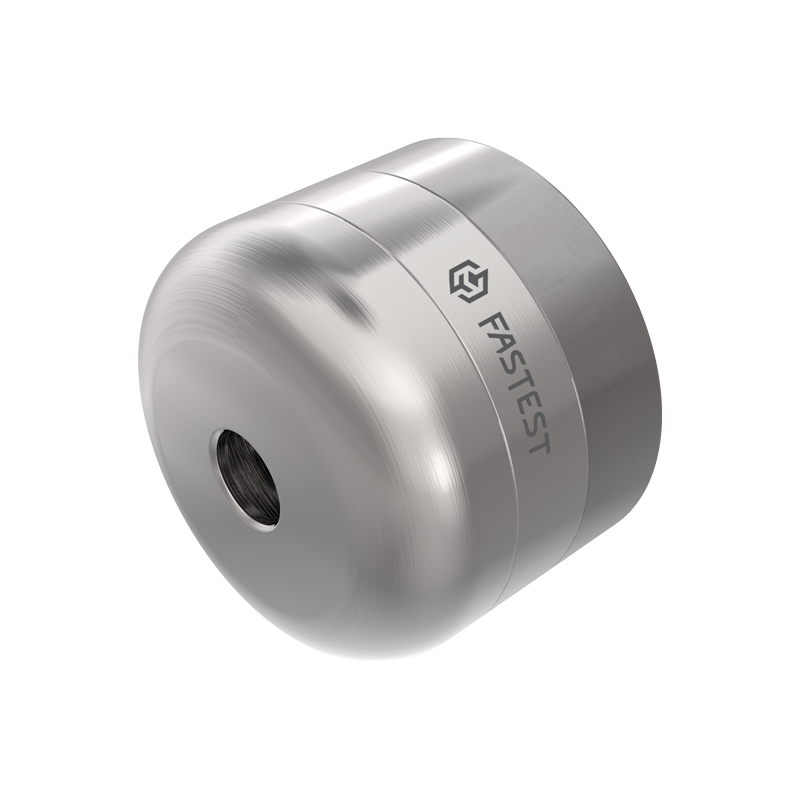
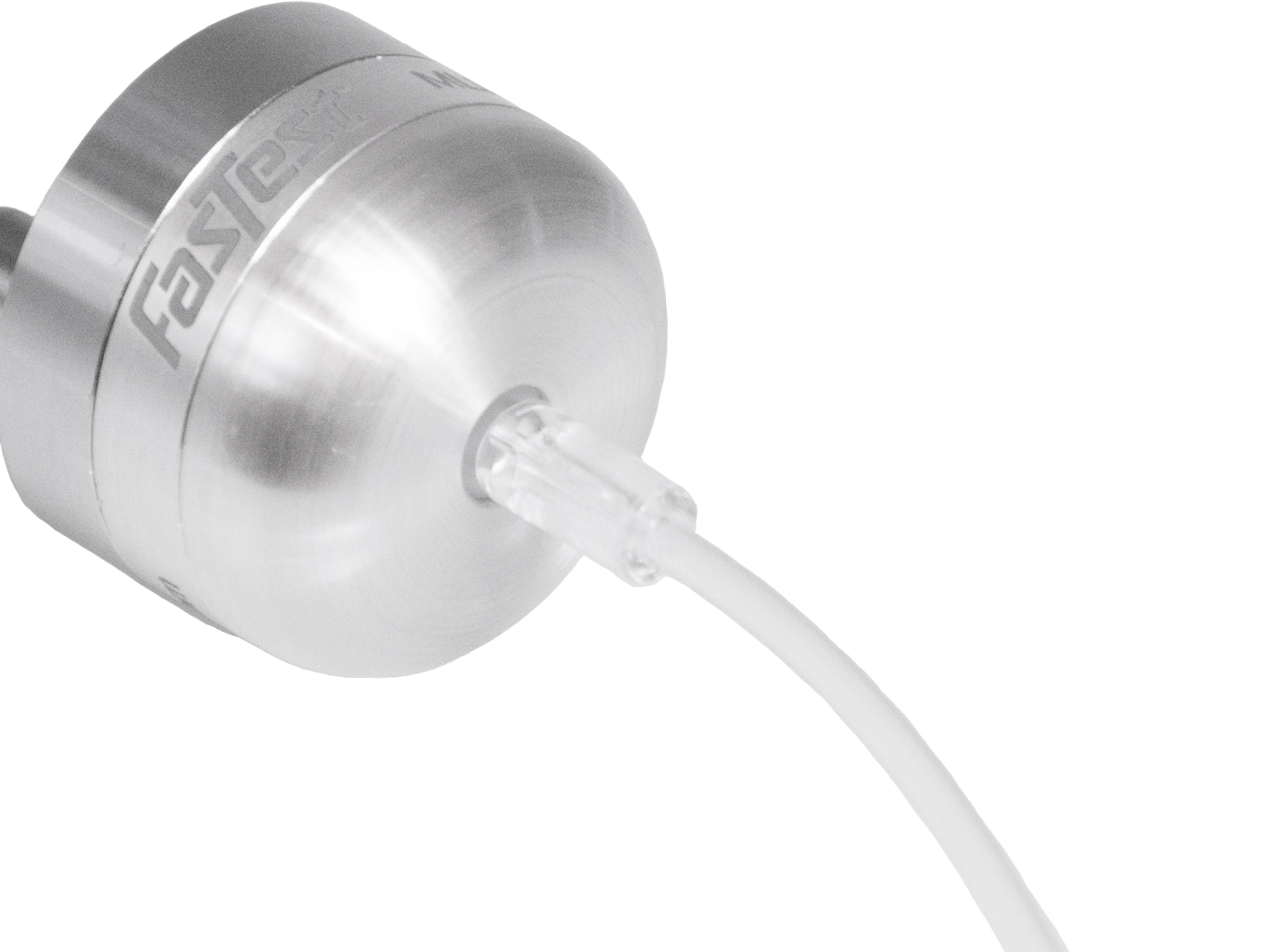
- Instant connections to female luer fittings.
- Self-aligning connector requires no operator adjustment.
- Cleaned and lubricated for oxygen safe environment with FDA approved seals.
- Compact design with low particulate generation
Designed For: leak/burst testing, balloon pleating/folding, heart valve crimping, stent crimping, and other related processes.
MLL Datasheet: Click Here
MLL Operating Instructions: Click Here
MLL Main Seal Replacement: Click Here
MLL Rebuild / Repair: Click Here
Similar Products
ME Medical External Sealing Connection Tool
Pneumatic seal-only connector for external sealing of medical and life science devices in automated and semi-automated processes.
LuerMate ML Full-Thread Luer Connection Tool
Pneumatic nested sealing tool for leak-tight connections to full-thread luers in automated and semi-automated processes.
LuerMate 60M Medical Luer Connection Tool
Sleeve-actuated grip-and-seal connector for quick repeatable connections to medical thread luers.
LuerMate MLH Full-Thread Luer Connection Tool
Pneumatic sealing connector for full-thread luers requiring quick repeatable medical connections.
The Self-Aligning, Low-Particulate Connector for Female Luers
The FasTest LuerMate MLL makes instant seal-only connections to female luer fittings for automated and semi-automated medical device production, from vacuum up to 100 psi (6.9 bar). It seals against the luer rather than engaging threads, which is what makes the connection instant — there is nothing to thread, tighten, or torque.
The connector is self-aligning and requires no operator adjustment. In an automated cell that is worth more than it sounds: a connector that finds the luer itself relaxes how precisely the part has to be presented, which is exactly where fixturing complexity and cycle time tend to accumulate. It removes a class of setup work rather than speeding it up.
Compact design with low particulate generation is the MLL’s other defining characteristic, and it is the one that determines where it can be used. Medical device assembly happens in controlled environments, and tooling that sheds particles contaminates both the product and the room around it. A connector engineered to generate few particles can sit inside that environment; one that is not, cannot — regardless of how well it seals. The compact form then matters because automated cells are dense, and a connector competing for space with grippers, cameras, and crimping heads has to be small to be designed in at all.
Within the FasTest LuerMate family, the MLL is the seal-only, low-pressure member: 100 psi (6.9 bar), against the thread-engaging ML, MLH, and 60M at higher ratings. It trades pressure capability for speed, gentleness on the luer, and cleanliness — which is the right trade in high-volume, controlled-environment work.
The Problem the FasTest LuerMate MLL Solves
Connecting to a female luer thousands of times a shift, inside a controlled environment, creates constraints that a standard fitting does not address:
-
Precise part presentation is expensive: If the connector demands exact alignment, the cost lands in fixturing, vision systems, and cycle time. A self-aligning connector absorbs that variation instead of forcing the cell to eliminate it.
-
Particles are a product defect: In controlled-environment assembly, tooling that generates particulate contaminates the device and the room. Cleanliness is a condition of use, not a refinement.
-
Threading is slow and wears the luer: Engaging threads on every cycle costs time and gradually wears the luer on the device — which on a finished product is the customer’s sealing surface.
-
Automated cells are crowded: A connector has to share space with grippers, crimping heads, and cameras. Anything bulky either does not fit or forces the cell to be built around it.
The FasTest LuerMate MLL answers each: it seals rather than threads, aligns itself without operator adjustment, is engineered for low particulate generation, and is compact enough to design into a dense automated station.
Key Features
Instant Connections to Female Luer Fittings
The FasTest LuerMate MLL connects to female luer fittings instantly, sealing against the luer rather than threading into it. Because there is no thread engagement, the connection is made in a single motion — which both shortens cycle time and avoids the gradual wear that repeated threading inflicts on the luer of the device being tested.
Self-Aligning — No Operator Adjustment Required
The MLL aligns itself to the luer, so no operator adjustment is needed to make a good connection. In manual use that means one less thing to get wrong; in automated use it means the cell can tolerate more variation in how the part is presented, which reduces the precision — and therefore the cost and complexity — demanded of the fixturing around it.
Compact Design With Low Particulate Generation
Low particulate generation is what allows the FasTest LuerMate MLL to be used inside controlled-environment assembly, where tooling that sheds particles contaminates both the product and the space. The compact design addresses the other constraint of automated medical assembly: cells are dense, and a connector has to fit alongside grippers, crimping heads, and inspection equipment without the station being redesigned around it.
Cleaned for Oxygen Safe Environments, With FDA Approved Seals
The FasTest LuerMate MLL is cleaned and lubricated for oxygen safe environments and fitted with FDA approved seals. In medical device manufacturing these are qualifying requirements rather than optional extras. Confirm the specific preparation and seal specifications for your application with FasTest.
Technical Specifications
| Specification | Detail |
|---|---|
| Product Type | External, seal-only pneumatic test connector for female luer fittings. |
| Connects To | Medical luers — instant connections to female luer fittings. |
| Max Pressure Rating | Vacuum to 100 psi (6.9 bar). |
| Actuation Method | Pneumatic | semi-automated | fully-automated. |
| Actuation Type | Luers. |
| Alignment | Self-aligning — requires no operator adjustment. |
| Sealing Method | Seal only — seals against the luer without engaging threads. |
| Cleanliness | Compact design with low particulate generation. |
| Preparation | Cleaned and lubricated for oxygen safe environment. |
| Seal Material | FDA approved seals. |
| Designed For | Leak/burst testing, balloon pleating and folding, heart valve crimping, stent crimping, and other related processes. |
| LuerMate Family | MLL (seal-only, female luers, 100 psi) | ML (full thread luers, automated) | MLH (full thread luers, 500 psi) | 60M (medical thread luers, 750 psi). |
| Documentation | MLL datasheet, operating instructions, main seal replacement, and rebuild/repair instructions. |
Where the FasTest LuerMate MLL Is Used
High-Volume Leak and Burst Testing
The MLL’s instant seal-only connection suits high-volume leak and burst testing, where the time spent connecting is multiplied by every unit that comes down the line. Self-alignment keeps that connection reliable without the fixturing precision a threaded connection would demand.
Balloon Pleating and Folding
Balloon catheters are pleated and folded under controlled pressure during manufacture. The FasTest LuerMate MLL holds that connection through the operation, with low particulate generation keeping the tooling appropriate for the controlled environment these devices are built in.
Stent and Heart Valve Crimping
Crimping a stent or a transcatheter heart valve requires a stable pressurised connection while the device is mechanically compressed. The MLL provides that connection in a compact package that fits alongside the crimping head, and its self-aligning design keeps the cell tolerant of small variations in part position.
Controlled-Environment Assembly
Across medical device assembly performed in controlled environments, the combination of low particulate generation, cleaning for oxygen safe environments, and FDA approved seals is what makes the FasTest LuerMate MLL usable in the space at all — before any question of how well it performs.
FasTest LuerMate MLL vs. a Hand-Threaded Luer Fitting
| Hand-Threaded Luer Fitting | FasTest LuerMate MLL | |
|---|---|---|
| Connection Method | Thread and tighten every cycle | Instant seal-only connection |
| Alignment | Requires precise presentation | Self-aligning, no operator adjustment |
| Particulate Generation | Threading generates particles | Engineered for low particulate generation |
| Luer Wear | Repeated threading wears the device luer | Seals without engaging threads |
| Automation | Manual — resists automation | Pneumatic, semi- or fully-automated |
| Consistency | Varies with operator torque | Identical actuation every cycle |
| Space in the Cell | Needs fitting plus access to turn it | Compact design |
| Seal Material | Whatever the fitting comes with | FDA approved seals |
Frequently Asked Questions
Q: What is the FasTest LuerMate MLL?
A: The FasTest LuerMate MLL is a pneumatically actuated, seal-only test connector that makes instant connections to female luer fittings for automated and semi-automated medical device production, from vacuum up to 100 psi (6.9 bar).
Q: Does the LuerMate MLL connect to female luers?
A: Yes — it makes instant connections to female luer fittings, sealing against the luer rather than threading into it. That is what allows the connection to be made in a single motion and avoids wearing the luer on the device being tested.
Q: Is the LuerMate MLL itself a female luer connector?
A: No — and the distinction matters when specifying. A female luer connector is a fitting with an internal taper that becomes part of a device or fluid path. The LuerMate MLL is a production test connector that mates with those fittings: it is the tooling you connect TO a female luer in order to test the device, not a component built into the device. If you need luer fittings as device components, those come from fluid-path component suppliers; if you need to leak or burst test a device through its female luer, that is what the MLL is for.
Q: What does self-aligning mean on the LuerMate MLL?
A: The connector aligns itself to the luer, so no operator adjustment is needed to make a good connection. In automated production this means the cell can tolerate more variation in how the part is presented, reducing the precision required of the fixturing around it.
Q: Why does low particulate generation matter?
A: Medical device assembly takes place in controlled environments, where tooling that sheds particles contaminates both the device and the space. A connector engineered for low particulate generation can be used inside that environment; one that is not, cannot — independently of how well it seals.
Q: What is the pressure rating of the LuerMate MLL?
A: Vacuum to 100 psi (6.9 bar). It is the lowest-pressure member of the LuerMate family, trading pressure capability for instant seal-only connection, self-alignment, and low particulate generation.
Q: Can the LuerMate MLL be used in automated equipment?
A: Yes — it is available in pneumatic, semi-automated, and fully-automated actuation, and its compact, self-aligning design is intended for building into production cells rather than using alongside them.
Q: Does the LuerMate MLL use FDA approved seals?
A: Yes, and it is cleaned and lubricated for oxygen safe environments. Contact FasTest to confirm the seal and preparation specifications for your particular application.
Q: What is the difference between the LuerMate MLL, ML, MLH, and 60M?
A: The MLL is seal-only, connecting to female luer fittings at up to 100 psi (6.9 bar), and is the most compact and cleanest-running of the four. The ML connects to full thread luers and is built for automated and semi-automated processes. The MLH connects to full thread luers at 500 psi (34.5 bar). The 60M connects to medical thread luers at 750 psi (51.7 bar). Contact FasTest to confirm which suits your device and process.
Q: What is the LuerMate MLL used for?
A: Leak and burst testing, balloon pleating and folding, stent crimping, and heart valve crimping — medical device processes where a device with a female luer must be connected quickly, repeatedly, and cleanly.