Automate Your Leak Test Process with Intelligent Tools.

Modern manufacturing demands more from leak testing than a simple pass/fail result. Production engineers need to know that every connection was sealed before the test began, that every step in a multi-port test sequence was completed in order, and that every test cycle is documented for traceability and process optimization. Traditional connectors can’t provide any of that information—they’re passive mechanical components with no intelligence.
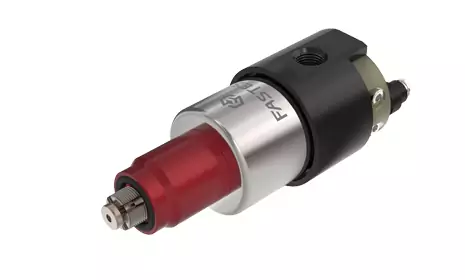
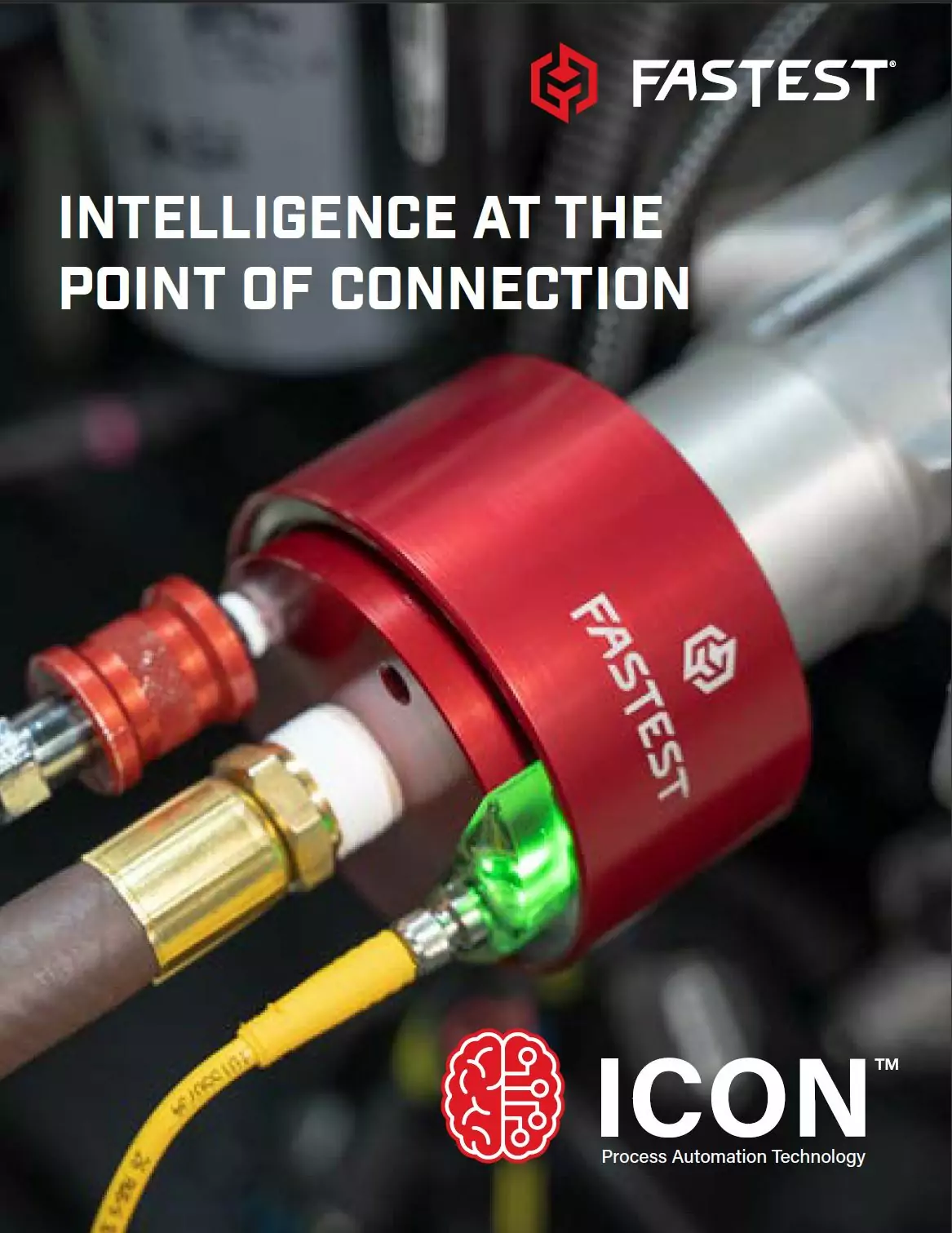
ICON™ changes that. By integrating sensing, SURE SEAL™ seal confirmation, and real-time data output into the connector itself, ICON™ makes every FasTest connection tool an intelligent connection tool that communicates with operators, PLCs, and data systems. The result is automated leak testing that’s smarter, safer, and faster—with verifiable data at every connection point.
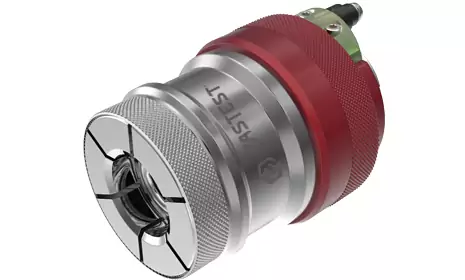
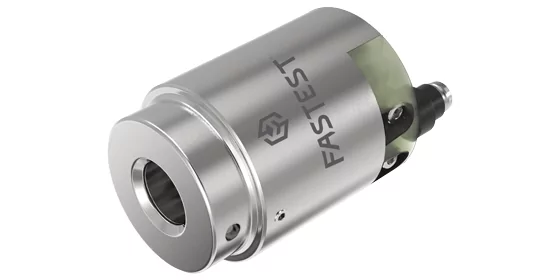
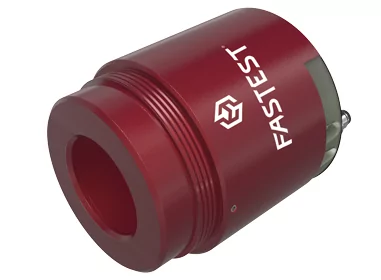
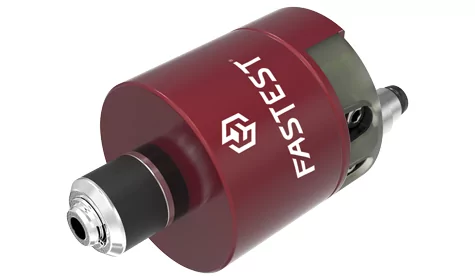
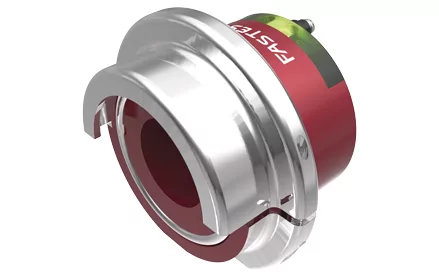
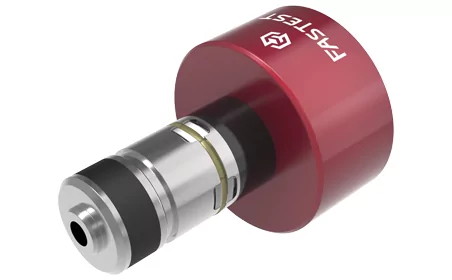
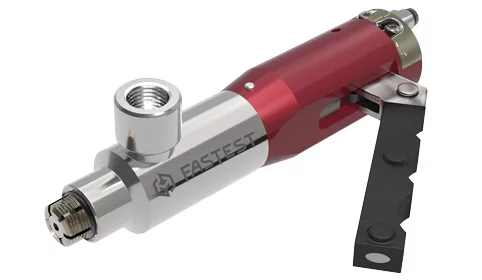
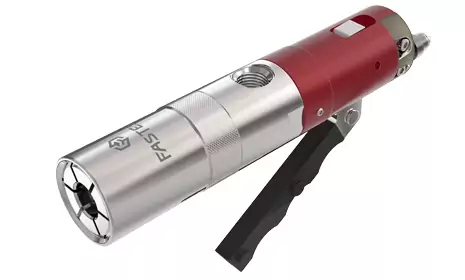
ICON™ intelligent connection tools are available across 10 FasTest connector families, covering external threads, internal threads, tubes, flanges, and custom geometries. Whether your test station is manual, semi-automated, or fully robotic, ICON™ provides the intelligence layer that turns a mechanical connection into a verified, documented, automation-ready process step.
 

Contact Us


Intelligence at the  Point of Connection.

Reliable-Seal-icon.svg

Reliable Sealing

Safe connections, reliable seals, and false failure reduction with connection verification.

Safety-Interlock-icon.svg

Safety Interlock

Ensure safe connections and operator safety prior to running tests.

Process-Automation-icon.svg

Process Automation

Confirm step completion and set handshake points. Ideal for manual to fully automated processes.

Faster-Cycle-icon.svg

Faster Cycle Times

Reduce cycle times with quick  and accurate connections.

Real-Time-Data-icon.svg

Real-Time Data

Real-time data and data logging provide process insight.

Fast-Integration-icon.svg

Fast Integration

Quick and easy integration into user’s  testing process.

Safer Tests. Faster Tests.

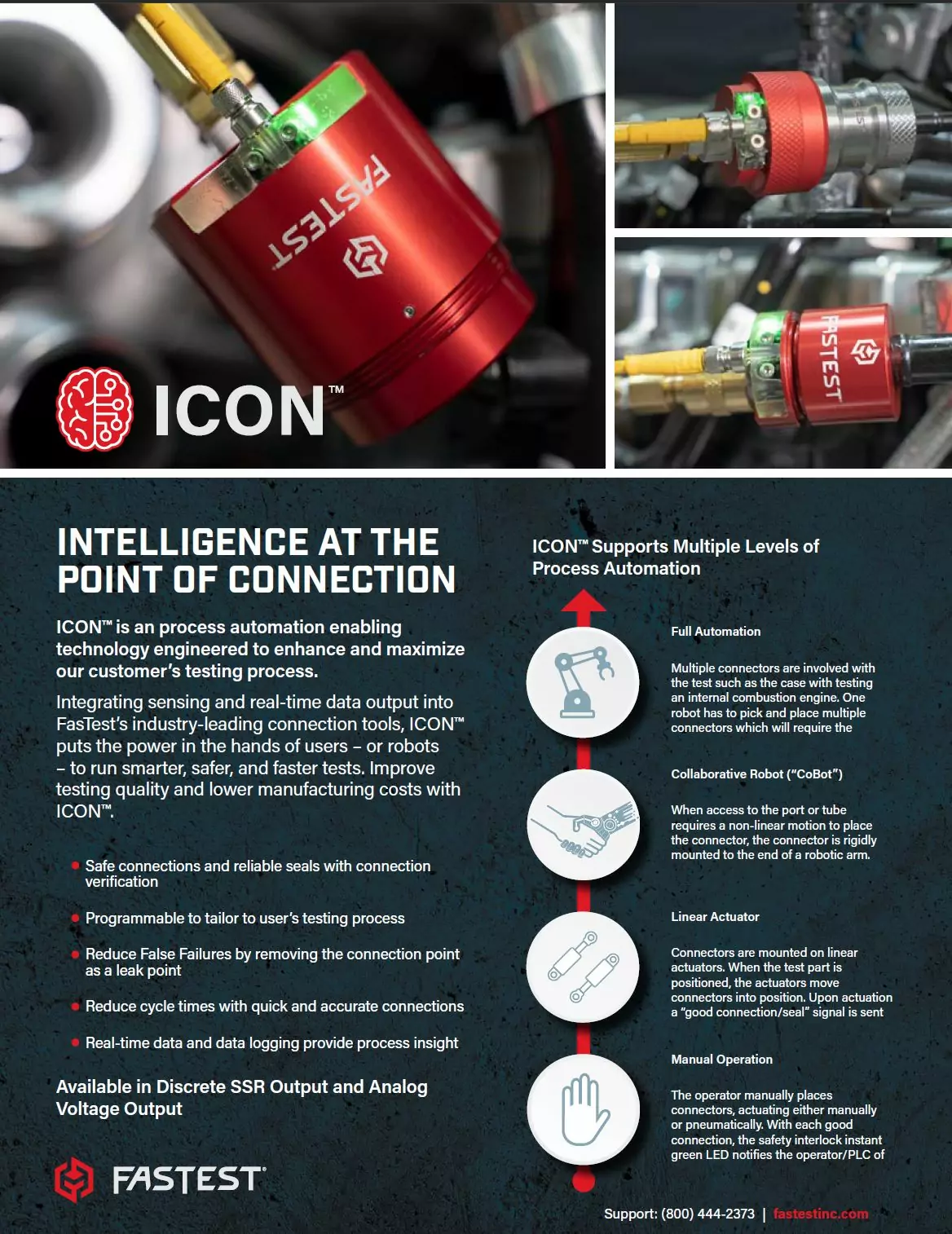
ICON Supports Multiple Levels of Process Automation:

Full Automation

Multiple connectors are involved with the test such as the case with testing an internal combustion engine. One robot has to pick and place multiple connectors which will require the development of a flexible end of arm tooling system with a common interface across all FasTest connectors.

Collaborative Robot (“CoBot”)


When access to the port or tube requires a non-linear motion to place the connector, the connector is rigidly mounted to the end of a robotic arm. 

Linear Actuator


Connectors are mounted on linear actuators. When the test part is positioned, the actuators move connectors into position. Upon actuation a “good connection/seal” signal is sent to the PLC indicating OK to start test. 

Manual Operation


The operator manually places connectors, actuating either manually or pneumatically. With each good connection, the safety interlock instant green LED notifies the operator/PLC of a reliable seal. Once all connectors are placed and connections are verified, the operator/PLC can begin the leak test.

These were easy to integrate, while allowing us to collect data and characterize the device over time. We will use the data to verify a proper actuation, minimize product scrap, check part presence, and provide alerts to replace wear components.

— Adam Moyer, CTO, KAMP Automation, LLC

No longer is the connector a potential leak point.

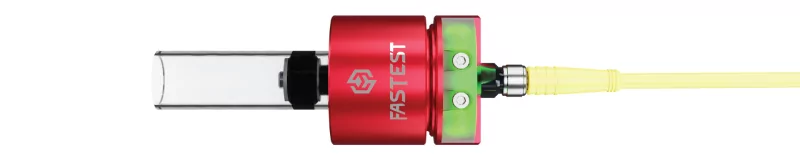
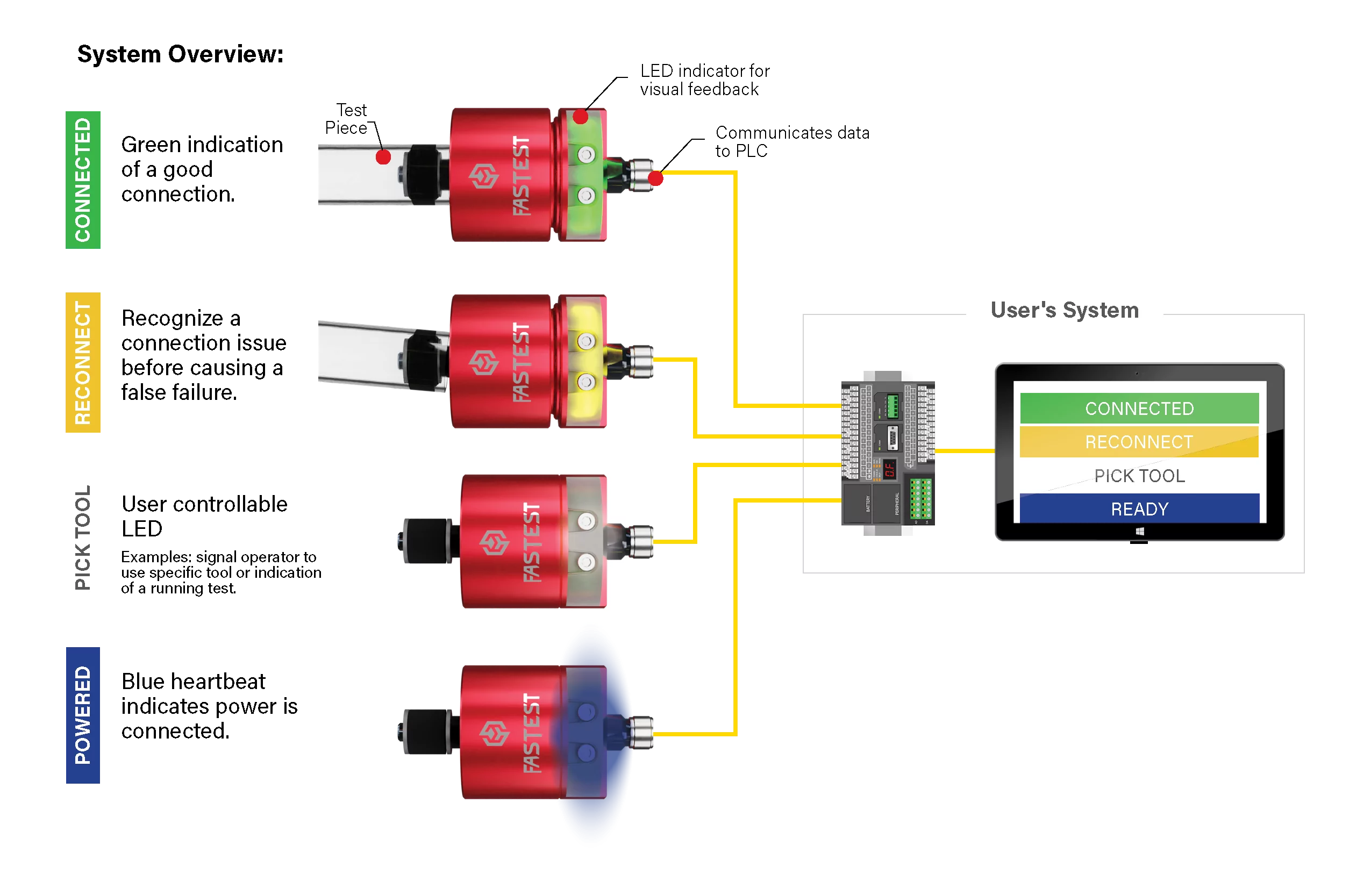
Good Connection

Green indication of a good connection. The connection and seal are secure, “okay” to begin next steps.

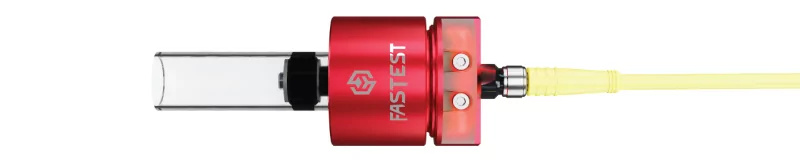
Short Connect

Yellow indication of a miss-connect or short-connect. Reconnect for green indication.

User Controllable LED

User controllable white indication allows user’s to tailor to their testing process. Examples include setting a signal to operators to use a specific tool, or an indication that a test is running and to not remove connector.

Powered On

Blue heartbeat indication that power is connected.

ICON™ is currently offered in two forms: Discrete SSR Output and Analog Voltage Output. 

Solid-State Relay (SSR)

  • The Solid-State Relay (SSR) version will be preferable to most customers. A “good” connection is indicated by a normally-open potential-free output (dry contact) on pins 5 and 6, ideal for easy integration. The module has a number of LED states to indicate operational modes depending on the exact model and connector family, but a green LED is used on all products to indicate a good connection, in conjunction with the output signal. Calibration points are stored internally on the connector in non-volatile memory for ease of maintenance. For most connectors, FasTest provides easy-to-follow calibration procedures; for FE and FI connectors calibration will require gauge pins or other tooling sized according to the size and tolerance of the device under test. A calibration tool is available from FasTest; the calibration signal can also be asserted as a 24V input.

Analog (ANA)

  • The Analog (ANA) version of the connector is for advanced users only. It must be used in conjunction with a Programmable Logic Controller (PLC) with an analog input option. This model provides a 0-10V voltage output which varies according  to the actuation of the connector. The LEDs are not controlled internally and,  if desired, must be controlled by the PLC. There are two LED channels, red and green, which can be combined to make yellow. FasTest can provide guidance on calibration, but proper calibration is ultimately customer responsibility.

FasTest® ICON™ Connections Tools

60ICON-ICON-page_thumbnail.png

60

View

70ICON-ICON-page_thumbnail.jpg

70

View

ME-ICON-page_thumbnail.png

ME

View

FE-ICON-page_thumbnail.png

FE

View

FI-ICON-page_thumbnail.png

FI

View

FEG-ICON-page_thumbnail.png

FEG

View

FIG-ICON-page_thumbnail.png

FIG

View

FN-ICON-page_thumbnail.png

FN

View

FXICON-ICON-page_thumbnail.jpg

FX

VIEW

ZGNPICON-ICON-page_thumbnail.jpg

ZGNP

VIEW

Want More ICON Information?

Get in contact with a FasTest ICON Expert.

Download Brochure

ICON-brochure-thumbnail.JPG

Download

Download One-Pager

ICON-one-pager-thumbnail.JPG

Download

Why Traditional Connectors Are the Weakest Link in Automated Leak Testing

Manufacturers invest heavily in leak test instruments, PLCs, automation hardware, and data systems—but the physical connection between the test system and the part being tested is often the least intelligent component on the station. Here’s what that costs:

  • False failures from unverified seals: Without seal verification, an automated leak testing system has no way to confirm that the connection is sealed before introducing test pressure. If the seal is incomplete, the system records a false failure—wasting cycle time, inflating reject rates, and triggering unnecessary rework or re-testing.
  • No handshake capability: On multi-port test stations (engine blocks, manifolds, battery packs), the PLC needs to confirm that every connector is properly seated and sealed before starting the test sequence. Traditional connectors provide no signal—the PLC has to assume the connections are good.
  • Data blind spots: Modern quality systems demand traceability at every process step. Traditional connectors generate no data—there’s no record of whether the connection was made, when it was made, or whether it was properly sealed. The connection is a blind spot in the process documentation.
  • Operator-dependent variation: Operators connecting manually have no objective confirmation that the seal is complete. They rely on feel, experience, and guesswork—which varies from operator to operator and shift to shift. This operator-dependent variation is the single largest source of test inconsistency.
  • Safety gaps: Without connection intelligence, the PLC cannot prevent a test from starting when the seal is incomplete. This means pressurizing an unsealed connection—a safety risk, especially at high pressures.

ICON™ intelligent connection tools solve every one of these problems by putting intelligence at the point of connection—exactly where automated leak testing needs it most.

SURE SEAL™: Verified Seal Confirmation at Every Connection

At the heart of every ICON™ intelligent connection tool is SURE SEAL™—FasTest’s patented seal verification technology. SURE SEAL™ uses integrated sensors to detect whether the connector has achieved a complete, leak-tight seal on the port.

How SURE SEAL™ Works:

  • Sense: When the operator or actuator engages the connector, internal sensors detect the position and engagement state of the sealing mechanism.

  • Evaluate: The ICON™ module evaluates the sensor data against stored calibration parameters to determine whether the seal meets the required threshold.

  • Signal: If the seal is confirmed, the connector signals “good connection” via a green LED (for operators) and a digital output (for PLCs). If the seal is incomplete, a yellow LED signals a short-connect, prompting reconnection.

  • Record: The seal status data is available in real time for PLC integration, data logging, traceability, and SPC analysis. Calibration parameters are stored in non-volatile memory on the connector itself.

What SURE SEAL™ Means for Automated Leak Testing:

For automated test stations, SURE SEAL™ provides the digital handshake that the PLC needs to confirm the connection is sealed before initiating the test cycle. For manual stations, it gives operators immediate visual confirmation (green LED) that eliminates guesswork. For quality systems, it generates the documented seal verification record that traceability requirements demand. In every case, SURE SEAL™ removes the connection as a source of test variability, false failures, and undocumented process steps.

Intelligent Connection Tools in Action

IndustryICON™ Application Examples
Automotive & EVMulti-port engine block leak testing with PLC-verified seal confirmation at every connection. Battery pack seal testing with automated connection sequencing. Motor housing coolant circuit testing with CoBot-mounted intelligent connection tools.
HVAC-RCoil leak testing with SURE SEAL™ confirmation on automated rotary indexing stations. Compressor test stations with actuator-mounted ICON™ connectors. Automated evacuation and charge stations with verified processing connections.
Compressed GasFill plant automation with ICON™ seal verification on cylinder connections. Data logging of connection status for fill quality documentation. Multi-point fill manifold monitoring.
Fluid PowerHydraulic hose assembly proof testing with PLC-interlocked ICON™ connections at high pressures. Automated cylinder test stations with multi-port seal confirmation before pressurization.
Medical / Life ScienceHigh-volume automated catheter and luer testing with ICON™ seal confirmation. Traceability data output for FDA-regulated manufacturing. Step-completion verification on multi-connection test sequences.
AerospaceHigh-pressure tube assembly proof testing with verified seal status before pressurization. Engine component test cells with robotic ICON™ connector placement and multi-point verification.
ApplianceEnd-of-line refrigerant circuit leak testing with actuator-mounted ICON™ connectors. Gas burner test stations with seal-confirmed connections. Multi-system test stations (refrigerant + plumbing + gas) with step-completion tracking.

10 Connector Families with ICON™ Intelligence Built In

ICON™ intelligent connection tools are available across a broad range of FasTest connector families, covering the most common connection types in manufacturing leak testing:

SeriesConnection Type & Application
60 ICONExternal threaded connections to 750 psi (51 bar). The most widely used ICON™ connector for threaded port leak testing across automotive, HVAC-R, fluid power, and general manufacturing.
70 ICONExternal connections for tubes and barbed fittings. Grip-and-seal with ICON™ intelligence for tube assembly and hose barb applications.
ME ICONExternal sealing connectors for smooth tubes and cylindrical ports. ICON™-equipped for automated tube sealing applications.
FE ICONPneumatically operated external seal-only connectors for fixtured automated leak testing. Seal confirmation via ICON™ for PLC-controlled actuator-mounted stations.
FI ICONPneumatically operated internal seal-only connectors for fixtured applications. Internal bore sealing with ICON™ verification for automated test stations.
FEG ICONExternal cradle connectors for flanges and irregular port geometries. ICON™-equipped for turbocharger, manifold, and housing face sealing applications.
FIG ICONInternal cradle connectors for sealing inside irregular port openings. ICON™ intelligence for custom internal sealing applications.
FN ICONFasMate® FN internal high-pressure connectors to 5,000 psi (345 bar). ICON™ seal confirmation for high-pressure threaded bore applications.
FX ICONFasMate® FX external connections for high-pressure applications. ICON™-equipped for demanding fluid power and aerospace testing.
ZGNP ICONEZ-Connect™ ZGN series for quick tube connections. ICON™ intelligence for fast push-to-connect tube sealing.

Frequently Asked Questions

Q: What is ICON™?

A: ICON™ (Intelligent Connection) is FasTest’s technology platform that integrates sensing, SURE SEAL™ seal confirmation, and real-time data output into FasTest connection tools. ICON™ turns standard connectors into intelligent connection tools that communicate seal status, enable process automation, and generate traceability data for automated leak testing and manual test operations.

Q: What is SURE SEAL™?

A: SURE SEAL™ is FasTest’s patented seal verification technology built into ICON™ connectors. It uses integrated sensors to detect whether a complete, leak-tight seal has been achieved, then signals the result via LED (for operators) and digital output (for PLC integration). SURE SEAL™ is the foundation of ICON™’s ability to verify connections in automated leak testing systems.

Q: What are intelligent connection tools?

A: Intelligent connection tools are sealing connectors with built-in sensing, seal confirmation, and data output capabilities. Unlike traditional passive connectors, FasTest’s ICON™-equipped intelligent connection tools actively verify seal status, communicate with PLCs and operators, and generate real-time process data. They transform the connection from a mechanical step into a verified, documented, automation-ready process event.

Q: How does ICON™ support automated leak testing?

A: ICON™ provides the digital signals that automated leak testing systems need: verified seal confirmation before pressurization (safety interlock), step completion handshakes for multi-port sequences, and real-time connection status data for PLC-controlled test logic. ICON™ intelligent connection tools work with linear actuators, collaborative robots, and full industrial robot cells.

Q: What automation levels does ICON™ support?

A: ICON™ supports four levels of automation: manual operation with visual seal confirmation, linear actuator-mounted connectors with PLC handshakes, collaborative robot (CoBot) integration for complex motion paths, and full industrial robot cells for multi-port automated leak testing. The same ICON™ connector works across all levels.

Q: Which FasTest connectors are available with ICON™?

A: ICON™ is currently available in 10 connector families: Series 60, 70, ME, FE, FI, FEG, FIG, FN (FasMate®), FX (FasMate®), and ZGNP (EZ-Connect™). These cover external threads, internal threads, tubes, flanges, and custom geometries. Custom ICON™ configurations are also available.

Q: What is the difference between SSR and Analog ICON™ versions?

A: The SSR (Solid-State Relay) version provides a simple normally-open dry-contact output for easy PLC integration and is suitable for most applications. The Analog version provides 0–10V proportional output for advanced users who need detailed actuation position data and full LED control via PLC. The SSR version is recommended for most customers; Analog is for specialized applications.

Q: How does ICON™ reduce false failures?

A: False failures occur when an incomplete seal causes the test system to detect a “leak” that is actually at the connector, not in the part. ICON™’s SURE SEAL™ verification confirms the seal is complete before the test begins. If the seal is incomplete, a yellow LED and digital signal prompt reconnection rather than running a doomed test. This eliminates the single largest source of false failures in manufacturing leak testing.

Q: Can I add ICON™ to an existing test station?

A: In most cases, yes. ICON™ intelligent connection tools use the same physical form factor and mounting as standard FasTest connectors, so upgrading typically requires no changes to fixtures or mechanical hardware. Integration involves wiring the ICON™ output to a PLC input and configuring the test logic to use the seal confirmation signal. FasTest provides integration guidance and technical support.

Q: What data does ICON™ provide?

A: ICON™ outputs real-time connection status (sealed/not sealed), seal verification confirmation, actuation state, and LED status. This data can be used for PLC safety interlocks, step completion tracking, process traceability documentation, SPC analysis, and predictive maintenance (identifying connectors approaching seal replacement before they cause failures).

Q: Does ICON™ require calibration?

A: Yes. ICON™ connectors are calibrated during setup to establish the seal verification threshold for your specific application. For SSR versions, calibration parameters are stored in non-volatile memory on the connector, making maintenance and replacement straightforward. For FE and FI connectors, calibration may require gauge pins sized to the device under test. FasTest provides calibration procedures and tools.

Q: What industries use ICON™?

A: ICON™ intelligent connection tools are used in automotive and EV manufacturing, HVAC-R, compressed gas, fluid power, medical device, aerospace, and appliance industries—anywhere that automated leak testing, process traceability, or false failure reduction is a priority.